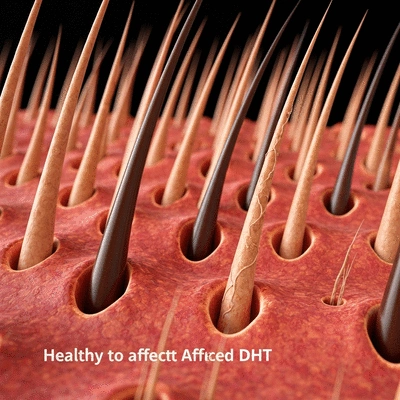
DHT Production & Follicle Sensitivity
DHT Production: Testosterone converts to DHT via 5-alpha reductase.
Follicle Sensitivity: Genetic factors (AR Gene) determine how follicles react to DHT, leading to miniaturization.
Welcome to Procerin Review Hub: Your unbiased guide to hair regrowth solutions!
Jan 13
Understanding the intricacies of hair loss can feel daunting, but did you know that a hormone called dihydrotestosterone (DHT) plays a pivotal role in this process? By unraveling the facts about DHT sensitivity, you can empower yourself with knowledge that leads to effective solutions for hair restoration.
The following visual illustrates the key factors involved in DHT's impact on hair follicles, highlighting the genetic and hormonal mechanisms at play and their implications for hair loss.
DHT Production: Testosterone converts to DHT via 5-alpha reductase.
Follicle Sensitivity: Genetic factors (AR Gene) determine how follicles react to DHT, leading to miniaturization.
Anagen Phase Impact: DHT shortens the growth phase, leading to weaker hair.
Miniaturization: Hair follicles shrink over time, producing progressively thinner, finer hair.
AR Gene Variations: Determines individual follicle response to DHT.
Family History: Indicates higher risk and predisposition to hair loss.
Men: More pronounced effects due to higher testosterone levels, leading to male pattern baldness.
Women: Hair thinning influenced by hormonal changes and DHT, particularly during menopause.
If you're experiencing hair thinning or receding hairlines, understanding dihydrotestosterone (DHT) is crucial. DHT is a hormone derived from testosterone and plays a significant role in hair loss, especially for men. By grasping how DHT affects your hair follicles, you can make informed decisions about your hair restoration journey, which is precisely what we aim to provide at Procerin Review Hub.
Many men are surprised to learn that their hair loss could be linked to DHT sensitivity. In this section, we'll explore the mechanisms behind DHT and its influence on hair cycles, as well as the genetic factors contributing to this sensitivity.
DHT is a potent androgen that binds to hair follicle receptors, leading to hair loss in those who are sensitive to it. It’s essential to know that not everyone experiences hair loss due to DHT; it largely depends on genetic factors. Understanding this can help you set realistic expectations as you navigate your hair regrowth options.
As we delve deeper, let’s uncover how DHT binds to hair follicles and influences their health and growth cycles.
DHT binds to androgen receptors found in hair follicles, particularly in areas prone to male pattern baldness. This binding process triggers a chain reaction that negatively impacts hair growth. Essentially, when DHT attaches to these receptors, it can cause hair follicles to shrink and shorten their lifespan. Research published in PMC highlights that androgenic alopecia, often linked to DHT sensitivity, is a common form of hair loss.
Over time, this can lead to a significant reduction in hair density, making it essential to understand your individual sensitivity to DHT. At Procerin Review Hub, I emphasize the importance of recognizing this mechanism to tailor your approach to hair restoration.
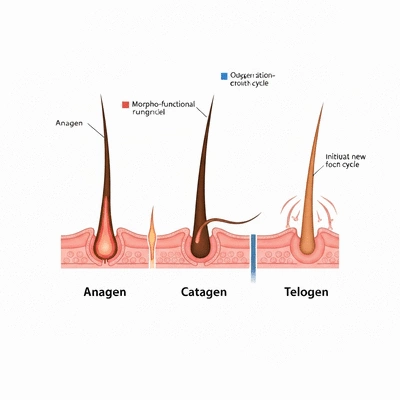
The hair growth cycle consists of three phases: anagen (growth), catagen (transition), and telogen (resting). DHT primarily affects the anagen phase, leading to a process called miniaturization, where hair follicles produce thinner, weaker hair. This cycle disruption can lead to less hair and increased shedding over time. Identifying the physiological roots of hair loss, including the impact of DHT on the hair cycle, is crucial for effective treatment, as noted in studies like those found in PMC.
Understanding the impact of DHT on these phases is vital as it provides insight into potential treatment strategies. With this knowledge, you can better evaluate products like Procerin that focus on blocking DHT and promoting healthier hair growth.
Now, let’s dig into the genetic components that play a role in DHT sensitivity. Genetics can significantly dictate how your body responds to DHT, influencing your hair loss journey. At Procerin Review Hub, I believe that recognizing these factors can empower you to take control of your hair health.
Understanding these genetic factors can help you navigate your options more effectively, ensuring that you choose the right path for your unique hair growth needs.
The AR gene is pivotal in determining how sensitive your hair follicles are to DHT. Those with certain variants may be more prone to hair loss because their hair follicles react more aggressively to the hormone. If you have a family history of hair loss, this could signify a higher likelihood of DHT sensitivity. The intricate relationship between genetics, hormones, and conditions like androgenetic alopecia is continuously being explored, as detailed in research accessible through PMC.
By understanding the role of the AR gene, you can consider whether testing might be beneficial for tailoring your hair restoration plan. At Procerin Review Hub, I’m here to guide you through these complex details.
Men typically experience androgenetic alopecia, known as male pattern baldness, while women face a similar, albeit different, condition. Both types of hair loss are influenced by genetics, with various genes contributing to the sensitivity of hair follicles to DHT.
Recognizing your genetic predisposition can inform your treatment choices, helping you to select options that are more likely to be effective. This is where a personalized approach becomes crucial, and I encourage you to explore your options at Procerin Review Hub!
While DHT plays a role in hair loss for both genders, men tend to see more pronounced effects due to higher testosterone levels. Women can experience hair thinning due to hormonal changes, especially during menopause. Understanding these differences is vital for anyone considering hair restoration solutions.
By acknowledging these varied responses, you can better equip yourself with the knowledge to tackle your hair loss challenges. Remember, at Procerin Review Hub, I’m committed to helping you find the best solutions tailored to your needs!
Have you noticed a correlation between DHT sensitivity and your hair loss journey? Let us know your thoughts!
Understanding DHT sensitivity is crucial for anyone navigating hair loss. It’s not just about the amount of DHT in your body; it's also about how your hair follicles respond to it. By grasping the connection between DHT and hair loss, you can make informed decisions on treatments and lifestyle changes that suit your unique needs.
Here are some key takeaways for managing DHT sensitivity:
By integrating these insights into your routine, you can take proactive steps toward better hair health. Keep in mind, progress may take time, and patience is key!
Your journey to improved hair health can feel overwhelming, but you're not alone! Engaging with experts and accessing reliable resources can make a world of difference in how you approach your hair loss solutions.
For those wanting to dive deeper, I recommend checking out studies and articles from reputable sources. Websites like PubMed and the American Hair Loss Association offer valuable insights into the latest research on DHT and hair loss.
Your experiences matter! Sharing your story can help others who are facing similar challenges. At Procerin Review Hub, we encourage open discussions about the ups and downs of managing DHT sensitivity. Feel free to comment below or reach out through our contact page!
Here is a quick recap of the important points discussed in the article:
Researcher and writer specializing in men’s hair care solutions.
Ethan Caldwell is dedicated to providing men facing hair loss with honest insights and practical advice, empowering them to make informed decisions about their hair regrowth journey. Join him on our blog for research-driven tips and strategies that clarify your options and enhance your confidence.
Dedicated researcher and writer specializing in men’s hair care solutions. Passionate about hair health and restoration. Committed to empowering informed decisions.
Ethan Caldwell is dedicated to transforming hair loss concerns into actionable hair regrowth strategies, empowering men facing early-stage thinning to embrace a confident hair restoration journey. Join him on our blog for comprehensive reviews and practical advice that clarify your options and enhance your hair health.