Understanding the distinction between hair shedding and hair loss can be crucial for anyone concerned about their hair health. Did you know that most people shed between 50 to 100 hairs a day? This article demystifies these concepts, helping you navigate your hair health journey confidently.
What You Will Learn
Normal hair shedding ranges from 50 to 100 hairs per day, which is a natural part of the hair growth cycle.
Hair loss is characterized by noticeable thinning or bald spots and can be permanent if left untreated.
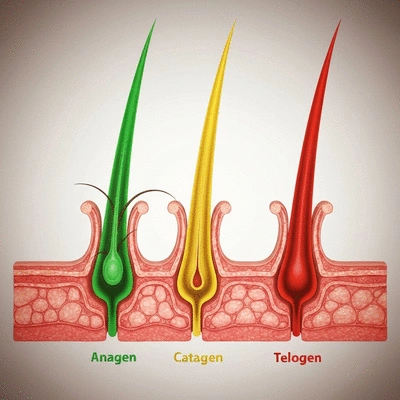
The hair growth cycle includes three phases: anagen (growth), catagen (transitional), and telogen (resting).
Stress and hormonal changes can lead to increased hair shedding, particularly during the telogen phase.
Recognizing early signs of hair loss can significantly impact treatment options and outcomes.
Hair Shedding vs. Hair Loss & Growth Cycle Overview
This visual summarizes the key differences between normal hair shedding and hair loss, alongside an explanation of the hair growth cycle phases. Understanding these distinctions is crucial for identifying potential concerns.
Shedding vs. Hair Loss: Key Differences
Hair Shedding
Normal: 50-100 hairs/day
Temporary, part of growth cycle
Can increase with stress/hormones
Hair Loss
Noticeable thinning/bald spots
Excessive shedding (washing/brushing)
Hair becoming finer over time
Hair Growth Cycle Phases
Anagen: Growth phase (several years)
Catagen: Transitional stage (2-3 weeks)
Telogen: Resting & shedding (approx. 3 months)
Impact of Stress & Health
Chronic stress can trigger telogen effluvium (temporary loss).
Physical and mental health support a healthy cycle.
*Managing stress and health can prevent increased shedding.
Understanding the Difference: Hair Shedding vs. Hair Loss
Have you ever wondered, “Am I just shedding hair or is it something more concerning?” This question is common among men (and even some women) as they navigate the tricky waters of hair health. It's important to understand the distinction between hair shedding and hair loss. Let's break it down together!
First off, it's completely normal to shed a certain number of hairs each day. In fact, most people lose between 50 to 100 hairs a day. This process is temporary and part of the normal hair growth cycle. So, if you notice a few strands in your brush or shower drain, don’t panic! It’s usually nothing to worry about.
Defining Hair Shedding: What is Normal?
So, what does normal hair shedding look like? Typically, shedding can occur due to various factors, including changes in weather or hair washing frequencies. There's a natural rhythm to it. You might notice that you shed more during particular seasons or after changes in your routine.
Normal shedding ranges from 50-100 hairs per day.
Shedding can increase with hormonal changes, such as those experienced during puberty or after childbirth.
Temporary shedding may happen after stress events or illness.
Understanding these points can help you gauge what’s normal for your hair. If you’re within this range, you’re likely just experiencing typical shedding!
Identifying Hair Loss: When Shedding Becomes a Concern
Now, let’s pivot to hair loss—this is where things can get a bit more serious. Hair loss typically involves noticeable thinning or bald spots and can be permanent if left untreated. Symptoms to look out for include:
Widening part lines or bald patches.
Excessive shedding during washing or brushing.
Hair becoming finer over time.
If you start noticing any of these symptoms, it might be time to consult a professional. Remember, catching hair loss early can make a significant difference in your regrowth journey. According to a study published by the National Institutes of Health (NIH), various factors contribute to hair loss, highlighting the need for early detection and intervention.
The Hair Growth Cycle: Phases Explained
Understanding hair loss and shedding also involves knowing the hair growth cycle. Every strand of hair goes through three distinct phases: anagen, catagen, and telogen. Each phase plays a crucial role in determining your hair's health and density.
The anagen phase is where the magic happens, as this is the growth phase. In contrast, the catagen phase is a transitional phase, and the telogen phase is when hair rests and eventually sheds. Familiarizing yourself with these phases can give you a clearer picture of your hair's life cycle and overall health.
Breaking Down the Hair Growth Cycle
Let’s take a closer look at each phase:
Anagen Phase: This is the growth phase, lasting several years, where follicles actively produce hair.
Catagen Phase: A short transitional stage lasting about two to three weeks where hair stops growing.
Telogen Phase: The resting phase that lasts around three months, after which hair falls out.
Understanding these phases is key to recognizing the natural cycle of your hair and the timing of shedding versus loss.
How Stress and Health Affect Hair Growth Phases
Stress and health conditions can significantly impact these phases. High stress levels or hormonal changes can push more hair into the telogen phase, leading to increased shedding. If you’ve ever noticed more hair loss after a stressful week, you’re not alone!
Chronic stress can trigger conditions like telogen effluvium, leading to temporary hair loss.
Hormonal imbalances (like those during puberty or menopause) can also affect hair growth phases. The Cleveland Clinic notes that hair loss in women can often be linked to hormonal shifts, such as those experienced during menopause.
Taking care of your health—both physical and mental—can support a healthy hair growth cycle.
Managing stress through relaxation techniques, exercise, and even proper nutrition can help keep your hair growth cycle on track. At Procerin Review Hub, we aim to provide the insights you need to navigate your journey confidently and knowledgeably!
Pro Tip
To combat hair shedding effectively, consider integrating stress management techniques into your daily routine. Practices such as meditation, yoga, or even regular exercise can help reduce stress levels, thereby promoting a healthier hair growth cycle. Additionally, maintaining a balanced diet rich in vitamins, particularly Biotin and Vitamin D, can significantly support hair health!
Frequently Asked Questions (FAQs)
What is the difference between hair shedding and hair loss?
Hair shedding is a normal part of the hair growth cycle, where you lose about 50-100 hairs daily, which is temporary. Hair loss, on the other hand, involves noticeable thinning, bald spots, or excessive shedding beyond the normal range, and can be permanent if untreated.
How many hairs are normal to shed in a day?
Most people normally shed between 50 to 100 hairs per day. This is considered a natural occurrence and part of the hair's life cycle.
What are the three phases of the hair growth cycle?
The three phases are: Anagen (growth phase), Catagen (transitional stage), and Telogen (resting and shedding phase).
Can stress cause hair loss?
Yes, chronic stress can significantly impact the hair growth cycle, often pushing more hair into the telogen (resting and shedding) phase, leading to temporary hair loss conditions like telogen effluvium.
When should I consult a professional about my hair concerns?
You should consult a professional if you notice significant changes like noticeable bald spots, widening part lines, excessive hair loss during washing or brushing, or if your hair is becoming noticeably finer over time. Early consultation can lead to better treatment outcomes.
Summarizing Key Points on Hair Shedding vs. Hair Loss
As we've explored, understanding the difference between normal hair shedding and more concerning hair loss is crucial for anyone noticing changes in their hair. Normal shedding involves losing about 50 to 100 hairs a day, which is a natural part of the hair growth cycle. However, when this shedding escalates or is accompanied by noticeable thinning or patches, it’s time to take it seriously. It's worth noting that hair loss statistics show that hair loss affects a significant portion of the population, underscoring the importance of understanding its nuances.
Recognizing the symptoms early can make a significant difference in your hair health journey. Remember, while shedding can be temporary and manageable, hair loss can lead to longer-lasting effects if untreated. Here are some key points to keep in mind:
Normal shedding is temporary and expected, while hair loss may indicate a deeper issue.
Pay attention to the pattern and extent of shedding—this can provide insights into your overall hair health.
Consulting with a professional early can help identify the cause and lead to effective solutions.
When to Seek Help: Next Steps for Concerned Individuals
If you’ve noticed significant changes in your hair—such as noticeable bald spots or excessive thinning—it's advisable to consult a professional. Seeking help early can prevent further loss and may provide you with the best treatment options. During your consultation, you can expect a thorough examination of your scalp and hair, along with some questions about your health history and lifestyle.
Here are a few tips on what to expect during your visit:
Be prepared to discuss your hair care routine and any products you use.
Share any recent stressors or health changes that might impact your hair.
Ask about the potential tests or evaluations that might be needed to assess your hair health.
Remember, there’s no need to feel embarrassed about your concerns. Seeking help is a proactive step in taking care of your hair, and at Procerin Review Hub, we’re here to support you through this journey!
Encouraging a Proactive Approach to Hair Health
Maintaining a healthy lifestyle is one of the best defenses against hair loss. A balanced diet, regular exercise, and proper hair care can all contribute to healthier hair. For instance, managing any iron deficiency or nutritional shortfalls is essential, as these can significantly impact hair growth. Additionally, keeping an eye on how your hair changes over time is key to spotting any issues before they escalate.
Here are some tips for promoting proactive hair health:
Incorporate foods rich in vitamins and minerals, such as leafy greens, nuts, and fish.
Stay hydrated and manage stress through healthy outlets like exercise or meditation.
Regularly check your scalp and hair condition to notice any changes early.
By taking these steps, you can create a solid foundation for your hair’s health and resilience. Empower yourself with knowledge, and always feel free to turn to Procerin Review Hub for reliable information and support on your hair regrowth journey!
Recap of Key Points
Here is a quick recap of the important points discussed in the article:
Normal hair shedding involves losing 50 to 100 hairs a day, which is part of the natural growth cycle.
Hair loss is characterized by noticeable thinning or bald patches and may require professional consultation.
Understanding the three phases of hair growth (anagen, catagen, and telogen) is essential for recognizing changes in hair health.
Chronic stress and hormonal changes can push more hair into the telogen phase, leading to increased shedding.
Maintaining a healthy lifestyle with proper nutrition and stress management can support hair health.
Ethan Caldwell
Researcher and writer specializing in men’s hair care solutions.
Ethan Caldwell is dedicated to providing men facing hair loss with honest insights and practical advice, empowering them to make informed decisions about their hair regrowth journey. Join him on our blog for research-driven tips and strategies that clarify your options and enhance your confidence.
Dedicated researcher and writer specializing in men’s hair care solutions. Passionate about hair health and restoration. Committed to empowering informed decisions.
Ethan Caldwell is dedicated to transforming hair loss concerns into actionable hair regrowth strategies, empowering men facing early-stage thinning to embrace a confident hair restoration journey. Join him on our blog for comprehensive reviews and practical advice that clarify your options and enhance your hair health.