Have you ever looked in the mirror and thought, “Where did all my hair go?” Understanding hair follicle miniaturization can help you address this common concern with confidence and knowledge.
What You Will Learn
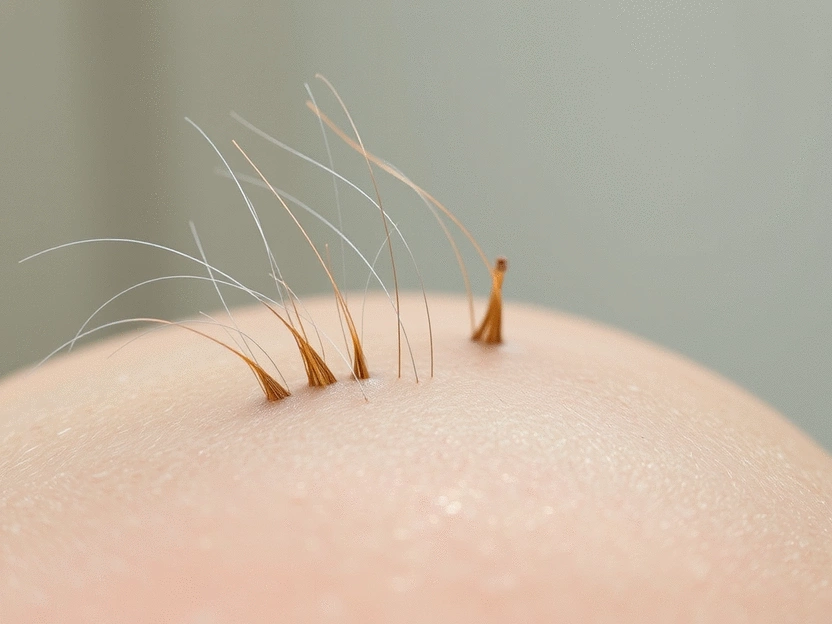
Hair follicle miniaturization is the process where hair follicles shrink, leading to thinner and weaker hair strands.
Dihydrotestosterone (DHT) sensitivity is a major factor contributing to hair loss through miniaturization.
Understanding the transition from terminal hair to vellus hair is crucial in recognizing early signs of hair loss.
Male and female pattern baldness are linked to miniaturization, highlighting the importance of genetic and hormonal factors.
Hair follicle miniaturization is a core process in hair loss. The visual below highlights its biological mechanisms and connections to common hair loss conditions.
What is Hair Follicle Miniaturization?
Gradual shrinking of hair follicles leading to finer, weaker, and shorter hair strands. Often a precursor to advanced hair loss.
Key Characteristics:
• Leads to shorter, finer hair.
• Occurs in male/female pattern baldness.
• Early recognition aids intervention.
Biological Mechanisms
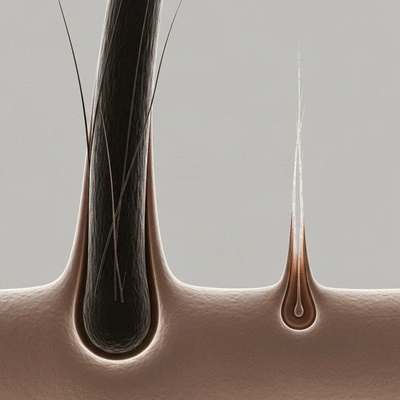
1. Terminal to Vellus Hair Transition
Follicles shrink, produce less melanin, leading to lighter, softer vellus hair from thicker terminal hair. May stop producing hair over time.
2. Role of DHT Sensitivity
Dihydrotestosterone (DHT) causes increased miniaturization in sensitive follicles. Blocking DHT can mitigate impact.
Connection to Hair Loss Conditions
Male Pattern Baldness (Androgenetic Alopecia)
• Genetic predisposition.
• DHT sensitivity is key.
• Increases with age.
Female Pattern Baldness
Diffuse thinning across scalp; follicle position matters due to varying DHT sensitivities.
Alopecia Areata
Autoimmune condition where immune system attacks follicles, potentially causing shrinkage.
Understanding Hair Follicle Miniaturization and Its Impact on Hair Loss
Are you starting to notice that your hair isn’t as thick as it used to be? If so, you might be experiencing a phenomenon known as hair follicle miniaturization. This process plays a significant role in hair loss, particularly for men facing early-stage thinning or receding hairlines. At Procerin Review Hub, we’re dedicated to helping you understand these changes, so you can navigate your hair restoration journey with confidence!
Hair follicle miniaturization involves the gradual thinning of hair follicles, leading to finer hair strands. This can significantly impact your hair density and overall appearance. With the right knowledge, you can take proactive steps to address this issue and explore potential solutions.
What is Hair Follicle Miniaturization?
Hair follicle miniaturization is a key process that occurs when follicles shrink over time, resulting in thinner and weaker hair strands. It’s often a precursor to more advanced types of hair loss. Understanding this process is crucial for anyone concerned about maintaining a healthy mane.
Miniaturization typically leads to the production of shorter, finer hair.
It can occur alongside conditions like male and female pattern baldness.
Recognizing early signs allows for timely intervention!
As we delve deeper into this topic, let’s explore what happens at the biological level and how it contributes to changes in your hair.
The Biological Mechanism Behind Miniaturization
The biological mechanisms that drive hair follicle miniaturization are complex but fascinating. One significant factor is the transition of hair from terminal to vellus hair. Terminal hair is the thicker, longer hair we often associate with a healthy head of hair, while vellus hair is the fine, soft hair that may not provide the same coverage or appearance.
Transition from Terminal to Vellus Hair
This transition occurs when hair follicles begin to shrink and produce less melanin, resulting in lighter, softer hair. Over time, if miniaturization progresses, these follicles may stop producing hair altogether. It's a gradual process, and recognizing the signs early can help you stay ahead. For more detailed information on hair follicle biology, you can refer to this study on hair follicle stem cells.
Role of DHT Sensitivity in Hair Loss
One of the main culprits in hair follicle miniaturization is dihydrotestosterone (DHT), a hormone derived from testosterone. Many men and women have hair follicles that are sensitive to DHT, leading to increased miniaturization. By blocking DHT, you can potentially mitigate its impact on your hair health. Insights into the mechanisms of androgenetic alopecia provide further context on DHT's role.
The Role of Hair Follicle Anatomy in Miniaturization
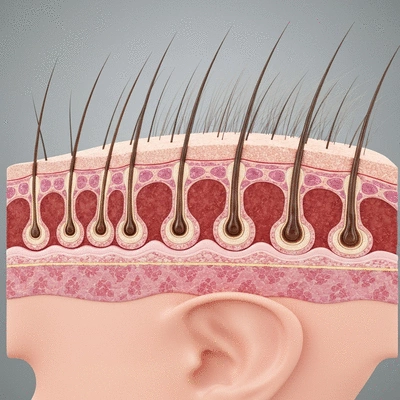
Understanding the anatomy of hair follicles is essential for grasping how miniaturization occurs. Each follicle contains several critical components that contribute to its health, including the hair bulb, dermal papilla, and connective tissues. As these structures are affected by factors like genetics and hormones, the follicles can become weaker and unable to produce robust strands.
In summary, hair follicle miniaturization is a significant factor in hair loss, and recognizing its mechanisms can pave the way for effective treatment strategies. Next, we’ll dive into the connection between miniaturization and common hair loss conditions, enabling you to find tailored solutions that fit your unique needs!
Interactive Poll: Share Your Thoughts!
Are you currently taking any steps to combat hair follicle miniaturization? Let us know what methods you’re exploring or have tried:
The Connection Between Miniaturization and Common Hair Loss Conditions
Understanding how hair follicle miniaturization ties into common hair loss conditions is crucial for anyone experiencing thinning hair. Many people may not realize that miniaturization can be a key factor in various types of hair loss, including male and female pattern baldness, as well as alopecia areata. By recognizing these connections, we can better grasp the implications of miniaturization on our hair health!
Male Pattern Baldness and Its Mechanisms
Male pattern baldness, or androgenetic alopecia, is one of the most common forms of hair loss, affecting millions of men. This condition often begins with a slight recession at the hairline and thinning at the crown, leading to noticeable bald spots over time. It’s closely linked to the process of miniaturization, where terminal hairs are replaced by shorter, thinner vellus hairs. This transition can be discouraging, but knowing what’s happening can help us tackle the issue effectively.
Genetic Predisposition: Many men inherit the tendency for this type of hair loss from their families.
DHT Sensitivity: A sensitivity to dihydrotestosterone (DHT) is a significant contributor to follicle miniaturization.
Age Factor: As men age, the likelihood of experiencing miniaturization increases.
By understanding these mechanisms, we can approach treatment options with a more informed perspective. Strategies to combat male pattern baldness often aim to address these underlying factors directly.
While male pattern baldness gets a lot of attention, women experience a similar condition known as female pattern baldness. This form of hair loss can manifest differently, often presenting as diffuse thinning throughout the scalp rather than distinct bald spots. Just like in men, miniaturization plays a vital role in this condition as well!
Why Follicle Position Matters in Hair Loss
The location of hair follicles on the scalp can significantly impact how miniaturization affects hair loss in women. Follicles in different regions may have varying sensitivities to DHT, leading to diverse patterns of thinning. Understanding these differences helps tailor treatment approaches for women suffering from hair loss.
Alopecia Areata: A Closer Look at Miniaturization
Alopecia areata is a unique autoimmune condition that can also involve hair follicle miniaturization. Unlike androgenetic alopecia, this condition results in sudden hair loss, leading to bald patches. The connection to miniaturization is fascinating as the immune system mistakenly attacks hair follicles, potentially causing them to shrink. Knowing this can empower those affected to seek targeted interventions! For further reading on alopecia areata and its treatments, consult resources like PubMed's research on alopecia areata.
Understanding Androgenetic Alopecia: Causes and Effects
Androgenetic alopecia is a broader term that encompasses both male and female pattern baldness. This condition is primarily driven by genetic and hormonal factors, leading to the miniaturization of hair follicles. As we dive deeper into this subject, it’s essential to keep in mind that addressing the underlying causes of miniaturization can significantly impact the effectiveness of treatments available. Let’s keep exploring those options!
Frequently Asked Questions about Hair Follicle Miniaturization
Q1: What exactly is hair follicle miniaturization?
A1: Hair follicle miniaturization is a process where hair follicles gradually shrink over time, leading to the production of thinner, shorter, and weaker hair strands. It's often a key factor in various types of hair loss.
Q2: How does DHT contribute to hair follicle miniaturization?
A2: Dihydrotestosterone (DHT), a hormone derived from testosterone, plays a significant role. In individuals with a genetic predisposition, hair follicles are sensitive to DHT, which causes them to shrink and miniaturize.
Q3: What is the difference between terminal and vellus hair in the context of miniaturization?
A3: Terminal hair is the thick, pigmented hair found on a healthy scalp. During miniaturization, terminal hairs transition into vellus hairs, which are fine, soft, and lighter in color. Eventually, these miniaturized follicles may stop producing hair altogether.
Q4: Is hair follicle miniaturization linked to male and female pattern baldness?
A4: Yes, hair follicle miniaturization is a central mechanism in both male pattern baldness (androgenetic alopecia) and female pattern baldness. It causes the characteristic thinning and loss of hair seen in these conditions.
Q5: Can recognizing early signs of miniaturization help with hair loss?
A5: Absolutely. Early recognition of miniaturization, such as increased shedding, finer hair texture, or a receding hairline, can allow for timely intervention with appropriate treatments, potentially slowing down or even reversing the process.
Recap of Key Points
Here is a quick recap of the important points discussed in the article:
Hair follicle miniaturization leads to thinner, weaker hair strands and is a precursor to more advanced hair loss.
Understanding the biological mechanisms, such as the transition from terminal to vellus hair, is crucial for addressing hair loss issues.
DHT sensitivity plays a significant role in hair follicle miniaturization, making it important to explore DHT-blocking solutions.
Recognizing early signs of miniaturization can help in taking timely action against hair loss.
Both male and female pattern baldness are closely related to miniaturization, emphasizing the need for targeted treatment strategies.
Ethan Caldwell
Researcher and writer specializing in men’s hair care solutions.
Ethan Caldwell is dedicated to providing men facing hair loss with honest insights and practical advice, empowering them to make informed decisions about their hair regrowth journey. Join him on our blog for research-driven tips and strategies that clarify your options and enhance your confidence.
Dedicated researcher and writer specializing in men’s hair care solutions. Passionate about hair health and restoration. Committed to empowering informed decisions.
Ethan Caldwell is dedicated to transforming hair loss concerns into actionable hair regrowth strategies, empowering men facing early-stage thinning to embrace a confident hair restoration journey. Join him on our blog for comprehensive reviews and practical advice that clarify your options and enhance your hair health.