
Jan 03
Understanding Alpha Reductase Inhibitors
As you consider your options for hair restoration, understanding the role of 5 alpha reductase inhibitors is crucial. These medications are at the forefront of combating hair loss and enhancing prostate health, making informed choices essential for your journey.
What You Will Learn
- 5 alpha reductase inhibitors (5-ARIs) block the enzyme responsible for converting testosterone into dihydrotestosterone (DHT), a hormone linked to hair loss.
- Lowering DHT levels can help restore hair growth and alleviate symptoms associated with benign prostatic hyperplasia (BPH).
- Common medications in this category include finasteride and dutasteride, both effective in managing hair loss and prostate health.
- Consulting with healthcare professionals is crucial to assess the suitability and potential side effects of 5-ARIs for individual cases.
- Understanding the mechanisms of DHT's role in hair loss can empower you to make informed decisions regarding treatment options.
Understanding the Mechanisms of 5 Alpha Reductase Inhibitors
5-ARIs target specific isoenzymes to reduce DHT levels, which are responsible for hair loss and BPH. This visual illustrates the key isoenzymes and their primary locations within the body.
5-Alpha Reductase: Type 1 Isoenzyme
Primarily found in the **skin and liver**. Its inhibition can contribute to overall DHT reduction.
5-Alpha Reductase: Type 2 Isoenzyme
Dominantly present in **hair follicles and prostate**. Key target for addressing male pattern baldness and BPH.
Understanding 5 Alpha Reductase Inhibitors: A Comprehensive Overview
When it comes to addressing hair loss, understanding 5 alpha reductase inhibitors (5-ARIs) is essential. These medications play a crucial role in blocking the production of dihydrotestosterone (DHT), a hormone that contributes significantly to hair thinning and receding hairlines in men. By inhibiting the enzyme that converts testosterone to DHT, these drugs can help in managing not only hair loss but also conditions like benign prostatic hyperplasia (BPH).
At Procerin Review Hub, we dive deep into the science behind these inhibitors, helping you grasp how they function and why they might be a viable option for your hair restoration journey. Understanding how these medications operate can empower you to make informed decisions about your treatment options.
Defining 5 Alpha Reductase Inhibitors and Their Function
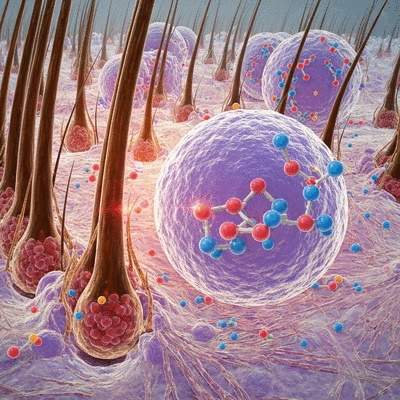
5 alpha reductase inhibitors are medications designed to inhibit the enzyme 5-alpha reductase, which is responsible for converting testosterone into DHT. DHT is known for its role in male pattern baldness, making these inhibitors a relevant topic for anyone experiencing hair loss. By blocking this conversion, these medications lower DHT levels in the body, potentially leading to improved hair growth and reduced hair loss.
- Reduced DHT levels can help restore hair growth.
- These inhibitors may also be used to treat BPH, alleviating symptoms associated with enlarged prostate.
- Common medications in this category include finasteride and dutasteride.
It’s important to note that while 5-ARIs can be effective, they are not a one-size-fits-all solution. Individual responses can vary, so consulting with a healthcare provider is crucial.
How Do 5 Alpha Reductase Inhibitors Work in the Body?
5 alpha reductase exists in two isoenzymes, type 1 and type 2, both of which play different roles in the body. Type 1 is primarily found in the skin and liver, while type 2 is predominantly present in the hair follicles and prostate. Understanding these isoenzymes is key to grasping how 5-ARIs function.
By specifically targeting these isoenzymes, 5-ARIs effectively lower DHT levels and help prevent hair follicles from shrinking. This action can slow down the progression of hair loss and even promote new growth in some users. Knowing this mechanism can inspire confidence as you consider your options for hair restoration.
The Role of Dihydrotestosterone (DHT) in Hair Loss and BPH
Dihydrotestosterone is a potent androgen that has significant effects on both hair follicles and the prostate gland. In the case of male pattern baldness, DHT binds to receptors in hair follicles, causing them to shrink over time, which ultimately leads to hair thinning. Additionally, elevated DHT levels can contribute to the development of BPH, causing urinary symptoms that can affect quality of life.
Recognizing the dual role of DHT helps underscore the importance of 5-ARIs in managing these conditions. By reducing DHT levels, you might not only help safeguard your hair but also mitigate symptoms of BPH. It’s a win-win for men looking to enhance both their hair health and overall well-being!
For a detailed breakdown of how 5-ARIs function, you can refer to authoritative medical resources such as this comprehensive overview from NCBI Books.
Interactive Poll: Your Experience Matters!
Have you considered using 5 alpha reductase inhibitors for hair restoration or BPH management? We want to hear your thoughts!
Frequently Asked Questions About 5 Alpha Reductase Inhibitors
What are 5 alpha reductase inhibitors (5-ARIs)?
5-ARIs are medications that block the enzyme 5-alpha reductase, which converts testosterone into dihydrotestosterone (DHT). DHT is a hormone primarily responsible for male pattern baldness and benign prostatic hyperplasia (BPH).
How do 5-ARIs help with hair loss?
By lowering DHT levels in the body, 5-ARIs can help prevent hair follicles from shrinking, slow down the progression of hair loss, and in some cases, promote new hair growth.
What conditions do 5-ARIs treat?
5-ARIs are primarily used to treat male pattern baldness (androgenetic alopecia) and benign prostatic hyperplasia (BPH), an enlargement of the prostate gland.
What are some common 5-ARI medications?
The most common 5-ARI medications are finasteride and dutasteride. For more information on approved medications, refer to resources like the FDA's drug labels.
Are 5-ARIs suitable for everyone?
No, 5-ARIs are not a one-size-fits-all solution. Individual responses and potential side effects can vary. It is crucial to consult with a healthcare professional to determine if 5-ARIs are appropriate for your specific situation.
Where are the two types of 5-alpha reductase isoenzymes found?
Type 1 isoenzyme is primarily found in the skin and liver, while Type 2 isoenzyme is predominantly present in hair follicles and the prostate.
How does DHT contribute to BPH?
Elevated DHT levels can contribute to the development of BPH, causing an enlargement of the prostate gland and leading to urinary symptoms.
What should I discuss with my healthcare provider about 5-ARIs?
You should discuss your specific symptoms, potential side effects, and whether 5-ARIs are suitable for your treatment plan. Further insights on managing these conditions can be found on medical platforms like Medscape.
Summarizing the Impact of 5 Alpha Reductase Inhibitors
As we explore the landscape of hair loss treatments and benign prostatic hyperplasia (BPH), understanding 5 alpha reductase inhibitors (5-ARIs) becomes crucial. These medications, like finasteride and dutasteride, play an essential role in blocking DHT, the hormone linked to male pattern baldness and prostate enlargement. By grasping their importance, we can better navigate our options and make informed decisions in our hair regrowth journeys.
It's clear that when it comes to managing hair loss and BPH, 5-ARIs offer a unique advantage. Their ability to reduce DHT levels not only helps combat thinning hair but also promotes prostate health, bringing relief to many men experiencing these common issues.

Next Steps: Consulting with Healthcare Professionals
Feeling overwhelmed by the array of treatment options? You're not alone! I encourage you to reach out to your healthcare provider to discuss personalized advice tailored to your unique situation. Here are a few key points to think about when consulting:
- Discuss your specific hair loss or BPH symptoms.
- Ask about potential side effects and how to manage them.
- Explore the suitability of 5-ARIs in your treatment plan.
Remember, engaging with a professional can empower you to make decisions that align with your goals and health needs. They can provide insights that go beyond what you find online, ensuring you feel supported throughout your journey.
Accessing Resources and Support for Patients
As you navigate your options for treating hair loss and BPH, having access to the right resources is invaluable. Here are some helpful avenues to explore:
- Doctor Finder Tools: Websites like Healthgrades and Zocdoc can help you locate specialists in your area.
- Additional Reading Materials: Look for reputable articles and studies that delve deeper into 5-ARIs and their impact.
- Community Support Resources: Online forums and support groups can connect you with others who share similar experiences.
These resources not only provide information but also foster a sense of community, reminding you that you're not alone in this journey. At Procerin Review Hub, we strive to equip you with everything you need to make informed decisions about your hair restoration process!
Recap of Key Points
Here is a quick recap of the important points discussed in the article:
- 5 alpha reductase inhibitors (5-ARIs) block the conversion of testosterone to dihydrotestosterone (DHT), helping to manage hair loss and benign prostatic hyperplasia (BPH).
- Common medications in this category include finasteride and dutasteride, which can lead to improved hair growth by reducing DHT levels.
- Understanding the two isoenzymes of 5-alpha reductase is vital, as they play different roles in hair loss and prostate health.
- Consulting a healthcare provider is essential to discuss individual symptoms, potential side effects, and the suitability of 5-ARIs for your treatment plan.
- Access to resources such as doctor finder tools and community support can aid individuals in their hair restoration journey.

Ethan Caldwell
Researcher and writer specializing in men’s hair care solutions.
Ethan Caldwell is dedicated to providing men facing hair loss with honest insights and practical advice, empowering them to make informed decisions about their hair regrowth journey. Join him on our blog for research-driven tips and strategies that clarify your options and enhance your confidence.