
May 20
Understanding Diffuse Thinning Hair
Have you been noticing some changes in your hair's fullness lately? You’re not alone. Many men experience diffuse thinning, a gradual reduction in hair density that can easily be overlooked. Understanding this condition is key to taking proactive steps toward effective management.
What You Will Learn
- Diffuse thinning is characterized by uniform hair loss affecting the entire scalp, rather than specific bald spots.
- Common triggers include hormonal changes, nutritional deficiencies, and high stress levels, which can lead to significant hair thinning.
- Recognizing symptoms such as increased shedding and a “see-through” scalp can help you identify diffuse thinning early.
- Creating a personalized action plan, involving tracking changes and exploring treatment options, is crucial for managing hair health.
Understanding Diffuse Thinning: Characteristics, Causes, and Solutions
This visual summarizes the key aspects of diffuse thinning, including its defining characteristics, common triggers, and a structured approach to managing hair health.
Key Characteristics of Diffuse Thinning
- • Uniform Hair Loss Across Scalp
- • Thinner Individual Strands
- • Gradual, "See-Through" Scalp
Common Causes of Diffuse Thinning
- • Hormonal Changes/Imbalances
- • Nutritional Deficiencies (Iron, Zinc)
- • Stress (Telogen Effluvium)
- • Medication Side Effects
- • Thyroid/Autoimmune Disorders
- • Genetic Factors (Androgenetic Alopecia)
Symptoms & When to Seek Help
- • Increased Hair Shedding
- • Visible Scalp
- • Decreased Hair Volume
- • Consult Professional if Anxious
Action Plan: Holistic Hair Recovery
- • Assess & Document Progress
- • Research Treatment Options (e.g., Procerin)
- • Consult Professionals & Set Goals
- • Combine Topical, Diet, Stress Mgmt., Exercise
- • Regular Monitoring & Adjustments
Understanding Diffuse Thinning: What It Is and How to Recognize It
Have you ever caught yourself thinking, “Why does my hair seem so thin lately?” If so, you might be experiencing diffuse thinning, a common issue for many men. In this section, we'll explore what diffuse thinning is, how it differs from other types of hair loss, and some key indicators to help you recognize it.
Defining Diffuse Thinning: Key Characteristics
Diffuse thinning refers to a general reduction in hair density across the scalp, rather than a specific area. This type of hair loss can be frustrating, as it often doesn't present the same telltale signs as male pattern baldness. Instead of seeing bald spots, you might notice that your hair simply feels less full and less voluminous. According to the American Academy of Dermatology, diffuse hair loss affects the entire scalp.
- Uniform Hair Loss: Unlike patchy hair loss, diffuse thinning affects the entire scalp.
- Thinner Individual Strands: Hair may appear finer and weaker.
- Gradual Progression: The thinning process is often slow, making it easy to overlook at first.
It's essential to understand how diffuse thinning is distinct from other forms of hair loss, such as androgenetic alopecia, which tends to create more defined patterns of baldness.
How Diffuse Thinning Differs from Other Types of Hair Loss
Diffuse thinning often arises as a response to various external factors, unlike genetic hair loss, which is hereditary. For example, hormonal changes, stress, or nutritional deficiencies can lead to this type of hair thinning. Recognizing this distinction is crucial for effective treatment.
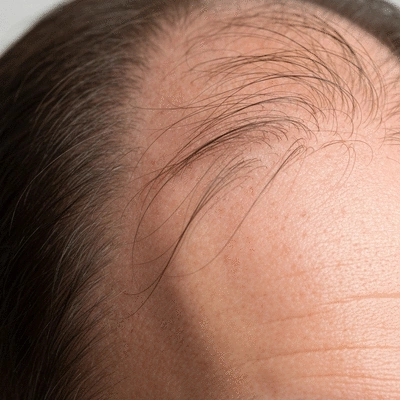
Visual Indicators: Recognizing a “See-Through” Scalp
One of the most noticeable signs of diffuse thinning is when you can see more of your scalp than usual. A “see-through” appearance occurs because the hair follicles are not producing enough density. It's important to check your hair in bright light or use a mirror to assess how your scalp looks compared to when your hair was fuller.
Identifying the Causes of Diffuse Thinning
Understanding the causes of diffuse thinning is vital for addressing hair loss effectively. Various factors contribute to this condition, and identifying them can help you determine the best course of action. Let's take a look at some of the most common triggers.
Common Triggers: From Hormonal Changes to Nutritional Deficiencies
Numerous factors can lead to diffuse thinning, but many men may not realize how impactful they can be. Here’s a list of common triggers:
- Hormonal Changes: Conditions like hormonal imbalances can drastically affect hair growth.
- Nutritional Deficiencies: Lack of essential vitamins and minerals, particularly iron and zinc, can contribute to hair loss.
- Stress: High stress levels can lead to a condition known as telogen effluvium, where hair prematurely enters the shedding phase.
Identifying these triggers early on can make a significant difference in choosing the right treatment. The Mayo Clinic provides comprehensive information on hair loss causes, including genetic predisposition, hormonal changes, medical conditions, and medications.
Exploring Telogen Effluvium and Its Impact on Hair Growth
Telogen effluvium is a form of diffuse thinning that results from a disruption in the hair growth cycle. Factors like significant stress, illness, or major life changes can cause a large number of hair follicles to enter the resting phase simultaneously. This often results in noticeable hair shedding after a few months. For more details, the Cleveland Clinic offers an in-depth explanation of telogen effluvium.
How Stress and Trauma Contribute to Hair Shedding
Stress can play a considerable role in hair loss. When experiencing emotional or physical trauma, the body may respond by pushing hair follicles into a resting phase. This means that hair will shed more than usual, leading to a significant thinning effect. It's crucial to manage stress levels through techniques like mindfulness, meditation, or physical activity.
Medication Side Effects and Their Role in Hair Loss
Another potential cause of diffuse thinning is the side effects of certain medications. Some common culprits include:
- Antidepressants
- Blood thinners
- Medications for high blood pressure
If you suspect your medication may be contributing to hair loss, consult your healthcare provider for alternatives or solutions.
Understanding Thyroid Disorders and Autoimmune Conditions
Thyroid disorders, such as hypothyroidism or hyperthyroidism, can lead to diffuse thinning as well. Additionally, autoimmune conditions like alopecia areata can result in unexpected hair loss. If you notice thinning and other symptoms, don't hesitate to get your thyroid levels checked.
The Importance of Identifying Lifestyle Factors
Your daily habits can significantly impact your hair health. Factors such as diet, exercise, and sleep all contribute to overall well-being and hair growth. Ensuring a balanced diet rich in vitamins and minerals, along with regular exercise, can help maintain your hair's health.
Genetic Factors: The Role of Androgenetic Alopecia in Hair Thinning
Finally, genetic predisposition plays a key role in hair thinning. Androgenetic alopecia, commonly known as male pattern baldness, can also manifest as diffuse thinning. If you have a family history of hair loss, it’s important to be proactive about your hair care routine and treatment options.
Recognizing the Symptoms and Signs of Diffuse Thinning
Now that we've explored the causes, it's time to look into the symptoms of diffuse thinning. Recognizing these signs early can help you take the necessary steps towards treatment.
Typical Symptoms to Watch For: What Indicates Diffuse Thinning?
The symptoms of diffuse thinning can vary, but there are some common indicators that you can observe:
- Increased hair shedding, especially when brushing or washing your hair
- A noticeable decrease in the volume of hair on your scalp
- Visible scalp showing through your hair
If you notice these symptoms, it may be time to consider some lifestyle changes or treatments to address the issue.
Self-Diagnosis: When Is It Time to Seek Professional Help?
While self-diagnosing can provide insights, knowing when to seek professional help is crucial. If you find yourself stressed or anxious about your hair loss, a consultation with a dermatologist or trichologist can help clarify the situation and provide you with tailored advice.
Understanding Hair Loss Symptoms: What to Look For
It’s important to remember that not all hair loss is permanent. By understanding the symptoms and their implications, you can approach your hair regrowth journey more confidently. Keep track of changes over time to relay to your healthcare provider, as this can assist in diagnosis and treatment planning.
Pro Tip
When dealing with diffuse thinning, consider incorporating a daily routine that includes stress management techniques such as meditation or yoga. Not only can these practices help reduce hair loss triggered by stress, but they also promote overall well-being. Pairing these techniques with a balanced diet rich in vitamins and minerals can further enhance your hair health.
Frequently Asked Questions About Diffuse Thinning
What is diffuse thinning?
Diffuse thinning is a type of hair loss characterized by a uniform reduction in hair density across the entire scalp, rather than specific bald spots. The hair may appear thinner and less voluminous overall.
What are the common causes of diffuse thinning?
Common causes include hormonal changes or imbalances, nutritional deficiencies (especially iron and zinc), significant stress (leading to telogen effluvium), side effects from certain medications, thyroid disorders, autoimmune conditions, and genetic factors like androgenetic alopecia.
How does diffuse thinning differ from male pattern baldness?
While male pattern baldness (androgenetic alopecia) typically follows a receding hairline or thinning at the crown, diffuse thinning involves a general reduction in hair density across the entire scalp. Diffuse thinning can also be triggered by various external factors, whereas male pattern baldness is primarily genetic.
What are the key symptoms of diffuse thinning?
Key symptoms include increased hair shedding (especially when brushing or washing), a noticeable decrease in overall hair volume, and a "see-through" appearance of the scalp due to reduced hair density.
When should I seek professional help for diffuse thinning?
It's advisable to consult a dermatologist or trichologist if you are concerned or anxious about your hair loss, notice persistent and significant shedding, or experience other symptoms along with thinning hair. A professional can help diagnose the cause and recommend appropriate treatment.
Can lifestyle changes help manage diffuse thinning?
Yes, lifestyle factors play a significant role. A balanced diet rich in essential vitamins and minerals, regular exercise to improve circulation, and effective stress management techniques (like meditation or yoga) can significantly contribute to maintaining and improving hair health.
Taking Control of Your Hair Health: Next Steps
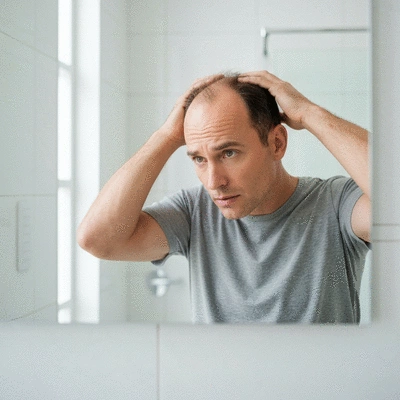
Now that you have a clear understanding of diffuse thinning and its implications, it’s time to take proactive steps toward managing your hair health. Creating a personalized action plan is an essential part of your journey. Not only does this provide structure, but it also ensures you’re making informed decisions tailored to your specific needs.
Here are some vital components to include in your action plan:
- Assess Your Current Situation: Take stock of your hair health by tracking any changes in hair density, shedding patterns, and overall scalp condition.
- Research Treatment Options: Delve into various treatments that have proven effective, such as topical solutions like Procerin, combined with lifestyle changes.
- Consult Professionals: Schedule appointments with healthcare providers to discuss potential medical treatments or lifestyle adjustments that could benefit you.
- Set Realistic Goals: Understand that hair recovery takes time; set achievable milestones to keep yourself motivated.
Combining different treatments and approaches can offer the best chance of success. For instance, you might consider using Procerin alongside dietary changes or stress management techniques to enhance your hair growth journey.
Creating a Personalized Action Plan for Managing Diffuse Thinning
Your action plan should be flexible and evolve as you begin to see results or face new challenges. Regularly reviewing and adjusting your plan is crucial in staying on track. This may involve tweaking your treatment regimen or incorporating new healthy habits.
- Document Your Progress: Keep a journal to note changes in your hair health and any treatments you’ve tried.
- Identify Triggers: Pay attention to any external factors that may be affecting your hair, such as stress or changes in diet.
- Celebrate Small Wins: Acknowledge progress, no matter how minor, to maintain motivation.
It’s also important to be patient. Hair growth is often a gradual process, and tracking your progress can help manage expectations. If you’re ever unsure about your treatment approach, don’t hesitate to reach out to the community or professionals for guidance.
Combining Treatments: A Holistic Approach to Hair Recovery
In this journey, consider a holistic approach that intertwines various treatments. For example, using topical solutions like Procerin can be paired with a balanced diet rich in vitamins and minerals. Here’s a simple checklist to guide your combined efforts:
- Topical Treatments: Assess the effectiveness of your current product. Are you consistent in application?
- Healthy Diet: Incorporate foods rich in omega-3 fatty acids, zinc, and protein.
- Stress Management: Explore methods like meditation, yoga, or deep-breathing exercises.
- Regular Exercise: Boosting circulation can promote hair health!
Each component can contribute significantly to your overall hair recovery strategy. By taking an integrated approach, you’re addressing multiple facets of hair health, enhancing your chances for success.
Importance of Regular Monitoring and Adjustments
Monitoring your progress over time is essential! Regularly assessing how your hair responds to different treatments allows you to make necessary adjustments. Here’s what you should consider:
- Monthly Check-Ins: Evaluate the condition of your hair and scalp once a month.
- Seek Feedback: Don’t hesitate to ask trusted friends or family for their observations.
- Consult Regularly: Keep in touch with healthcare professionals to discuss your progress and receive recommendations.
By staying attuned to your hair health, you’ll be better prepared to adapt your treatment plan effectively. This proactive mindset can significantly impact your recovery journey!
Encouraging a Supportive Community: Sharing Experiences
Sharing your experiences with diffuse thinning can be an empowering step in your journey. Connecting with others facing similar challenges can offer both emotional support and practical advice. Plus, it’s a reminder that you’re not alone!
Connecting with Others Facing Similar Challenges
Finding a community can provide you with a wealth of knowledge and encouragement. Online forums, social media groups, or local meet-ups can help you tap into shared experiences. Here are some ways to engage:
- Join Online Forums: Websites dedicated to hair health can offer a treasure trove of information and personal stories.
- Social Media Groups: Platforms like Facebook and Reddit host communities focused on hair loss where individuals share their journeys.
- Local Support Groups: Consider seeking out local meet-ups for a face-to-face connection.
By participating in these communities, you’ll not only gain insights into treatments and experiences but also create meaningful connections with others who understand your struggles.
Utilizing Online Resources and Support Groups
Online resources can be a lifeline for men facing hair thinning. They can offer practical advice, support, and a sense of belonging. Here’s how to take advantage:
- Research Blogs and Websites: Follow trusted sources like Procerin Review Hub for updated information.
- Watch Videos: Explore YouTube channels that focus on hair care tips and personal stories.
- Participate in Webinars: Attend online seminars that discuss hair health and treatment options.
These resources empower you to make informed decisions and find camaraderie in shared experiences, ultimately aiding your hair recovery journey.
Wrapping Up: Empower Yourself with Knowledge
As we wrap up this exploration into diffuse thinning, remember that understanding your condition is the first step toward taking control of your hair health. From recognizing symptoms to implementing an action plan, knowledge is your best ally.
Summary of Key Points on Diffuse Thinning and Treatment Options
To recap, here are the key points we covered:
- Diffuse thinning can be identified through specific symptoms and characteristics.
- Multiple causes contribute to hair loss, including hormonal changes, nutritional deficiencies, and stress.
- A personalized action plan can help in managing hair health effectively.
- Engaging with a supportive community can enhance your journey.
With this information, you’re now better equipped to navigate the options available to you. Don’t hesitate to reach out for help and share your experiences with others.
Call to Action: Take Charge of Your Hair Health Journey Today
As you embark on this journey, I encourage you to take charge of your hair health today! Explore the options discussed and create a plan that works for you. Remember, your hair restoration journey is just that—a journey. With patience and persistence, you can achieve the results you desire. Let’s get started!
Recap of Key Points
Here is a quick recap of the important points discussed in the article:
- Diffuse thinning is characterized by a uniform reduction in hair density across the scalp.
- Common triggers include hormonal changes, nutritional deficiencies, and stress.
- Identifying symptoms early can help in managing hair loss effectively.
- Creating a personalized action plan is essential for addressing diffuse thinning.
- Engaging with a supportive community can provide valuable insights and encouragement.

Ethan Caldwell
Researcher and writer specializing in men’s hair care solutions.
Ethan Caldwell is dedicated to providing men facing hair loss with honest insights and practical advice, empowering them to make informed decisions about their hair regrowth journey. Join him on our blog for research-driven tips and strategies that clarify your options and enhance your confidence.