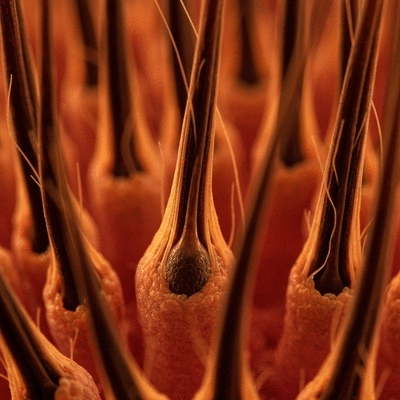
Anagen Phase: Active Growth
Duration: 2-7 Years
Characteristics: Hair follicles actively produce new hair. Accounts for ~85% of scalp hair. Crucial for density & health.
Welcome to Procerin Review Hub: Your unbiased guide to hair regrowth solutions!
Feb 12
Have you ever wondered how your hair manages to grow and shed in cycles? Understanding the hair growth cycle can be the key to unlocking the secrets of maintaining vibrant, healthy hair. By recognizing the different phases your hair undergoes, you can make more informed decisions about your hair care routine.
This visual outlines the four distinct phases of the hair growth cycle, detailing their typical durations and key characteristics. Understanding these stages is crucial for managing hair health and identifying potential issues.
Duration: 2-7 Years
Characteristics: Hair follicles actively produce new hair. Accounts for ~85% of scalp hair. Crucial for density & health.
Duration: 2-3 Weeks
Characteristics: Hair growth slows, follicle shrinks. Hair detaches from blood supply.
Duration: ~3 Months
Characteristics: Hair follicles inactive. Some hair shedding is normal. Stress can extend this phase.
Duration: Several Weeks
Characteristics: Old hair falls out, making way for new growth. Normal loss: 50-100 strands daily.
Understanding the hair growth cycle is fundamental for those of us concerned about maintaining healthy hair. This cycle consists of various phases that can help us recognize potential hair loss issues early on. As someone who has navigated the world of hair care extensively, I’ve learned that keeping an eye on this cycle can empower us to make better choices about our hair health.
When we grasp how our hair grows and sheds, we can identify patterns that might indicate underlying problems. For example, noticing excessive shedding during a specific season could prompt an adjustment in our hair care routine or a consultation with a specialist. Let’s dive deeper into the phases of the hair growth cycle to understand each step better! For a detailed overview of the various stages of hair growth, you can refer to this resource from Healthline.
By understanding the importance of the hair growth cycle, we can take proactive steps in our hair care journeys. This knowledge allows us to set realistic expectations for hair regrowth and manage our health more effectively. So, whether you’re just starting to notice your hair thinning or you’re looking to optimize your hair health, knowing about the growth cycle is essential!
The anagen phase is where the magic happens—this is the active growth stage of our hair. Typically lasting between 2 to 7 years, the length of this phase can vary significantly among individuals. During this time, hair follicles are busy producing new hair, making it the most crucial stage for overall hair density and health.
One interesting aspect of the anagen phase is that it accounts for roughly 85% of the hair on your scalp at any given time. This is one reason why maintaining the health of our hair during this phase is so important. Using the right products, like those reviewed on Procerin Review Hub, can make a significant difference in supporting your hair’s growth. For additional insights into hair growth studies, you can explore the research from Bauman Medical.
During the anagen phase, our hair is at its strongest and most vibrant. It’s the time when we can truly see the results of our hair care regimens. Factors like proper nutrition, hydration, and the right hair care products can enhance the density and vitality of our hair during this phase. Remember, a healthy diet rich in vitamins can fuel this growth!
Understanding how hair follicles operate during the anagen phase is key to appreciating hair health. Healthy follicles lead to healthier hair strands, which is essential for anyone experiencing hair thinning. This phase is a time to nurture your hair with nourishing ingredients and treatments. Monitoring the condition of your hair follicles can give you insights into your overall hair health!
Next up is the catagen phase, which serves as a transitional period lasting about 2 to 3 weeks. During this time, hair growth slows down, and the hair follicle shrinks. As someone who has seen hair loss firsthand, understanding this phase can alleviate some concerns, as it's a normal part of the cycle before entering the resting phase.
In this phase, the hair becomes detached from its blood supply, which means it’s not actively growing anymore. This transition is essential as it prepares the hair for the final resting stage. Patience is key here as we transition between phases!
Following the catagen phase is the telogen phase, often referred to as the resting phase. Lasting around 3 months, this phase is when hair follicles are inactive, and no new hair is produced. You might notice that some hairs fall out during this time, which is completely natural!
It’s important to note that stress and other factors can extend this phase, leading to concerns like telogen effluvium. Understanding these connections can help us manage our hair better and take note of when to seek advice. For more information on the complexities of the hair growth cycle and factors affecting it, consult the research available on NCBI.
Telogen effluvium is a condition where stress or hormonal changes cause an increase in hair shedding during the telogen phase. Recognizing the signs of this condition can be crucial for recovery. If you’re experiencing temporary hair loss, learning about the phases of your hair growth can help you understand what’s happening and how to address it.
The final phase of the hair growth cycle is the exogen phase, which is all about shedding and renewal. During this phase, old hair falls out, making room for new growth. This phase can last several weeks, and it’s completely normal to lose around 50-100 strands of hair daily.
Embracing this phase is essential for understanding your hair’s lifecycle. Instead of worrying about the strands you see in the shower, think of it as a necessary step in your hair’s overall health! Remember, shedding is just part of the cycle.
As you explore the different phases of the hair growth cycle, we’d love to hear from you! Which phase do you find most challenging to navigate in your hair care journey? Select one of the options below:
Understanding the hair growth cycle is vital for anyone looking to maintain healthy hair or address hair loss concerns. By grasping the various phases—from anagen to telogen—you can better navigate your hair care journey. Recognizing how each phase works helps you make informed decisions about products and treatments that align with your personal hair health goals.
Moreover, knowing the factors that influence these cycles allows you to tailor your hair care routine. For example, if you notice shedding during the telogen phase, it may be time to evaluate your stress levels or dietary habits. By incorporating this knowledge into your daily life, you can actively support your hair health.
Now that you have a solid understanding of the hair growth cycle, it’s time to take actionable steps toward enhancing your hair health. I encourage you to consider consultations with professionals who specialize in hair care. They can provide personalized insights based on your unique hair type and concerns.
Additionally, making some lifestyle adjustments can significantly impact your hair's vitality. Here are a few suggestions to consider:
These lifestyle changes can work in tandem with treatments that directly address specific hair concerns. The right combination can lead to healthier, thicker hair over time!
A consistent hair care regimen is crucial for maintaining hair health. It’s not just about the products you use but also how you apply them and the care you give your scalp. Here’s a simple routine to consider:
By sticking to this regimen, you’ll create a supportive environment for your hair to thrive. As I’ve learned through my journey with hair care, consistency is key!
Finally, I want to invite you to share your hair growth journey! Whether you're dealing with hair loss or are simply looking to enhance your hair health, your experiences can help others. Community support is invaluable, and hearing from others can provide encouragement and new ideas.
Feel free to comment below or reach out through our Procerin Review Hub community. Your story might just inspire someone else to take charge of their hair health, too!
Here is a quick recap of the important points discussed in the article:
Researcher and writer specializing in men’s hair care solutions.
Ethan Caldwell is dedicated to providing men facing hair loss with honest insights and practical advice, empowering them to make informed decisions about their hair regrowth journey. Join him on our blog for research-driven tips and strategies that clarify your options and enhance your confidence.
Dedicated researcher and writer specializing in men’s hair care solutions. Passionate about hair health and restoration. Committed to empowering informed decisions.
Ethan Caldwell is dedicated to transforming hair loss concerns into actionable hair regrowth strategies, empowering men facing early-stage thinning to embrace a confident hair restoration journey. Join him on our blog for comprehensive reviews and practical advice that clarify your options and enhance your hair health.