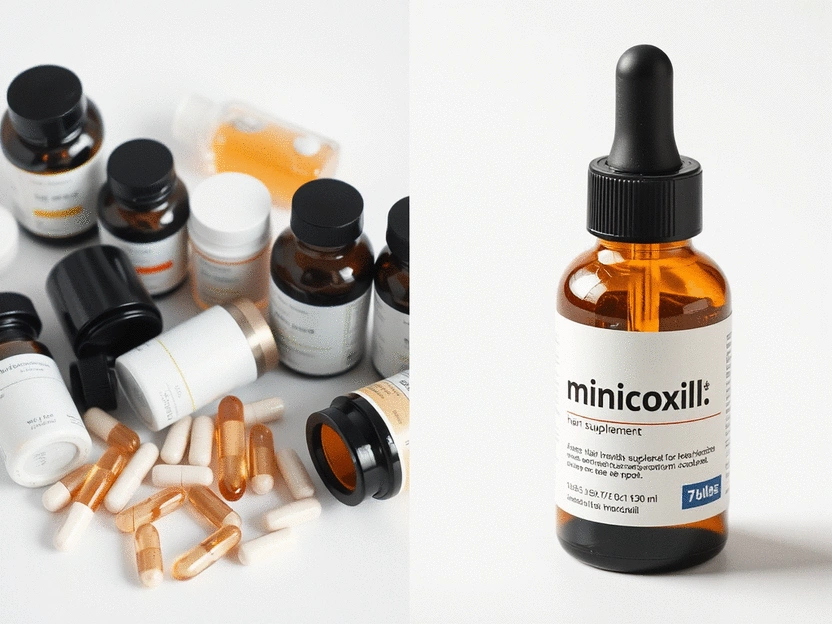
What if the solution to your hair loss is not just a single product, but a combination of treatments tailored to your specific needs? Understanding the nuances between hair growth supplements and minoxidil can empower you to take charge of your hair restoration journey.
What You Will Learn
Hair growth supplements provide essential nutrients and have fewer side effects compared to topical treatments.
Key ingredients like biotin, zinc, and omega-3 fatty acids can significantly enhance hair health.
Minoxidil stimulates hair growth by increasing blood flow to follicles and extending the growth phase of hair.
Understanding the role of DHT can help you make informed decisions about combining treatments like minoxidil and finasteride.
Consulting healthcare professionals is crucial for personalized advice and effective hair restoration plans.
Hair Growth Treatments: Supplements vs. Minoxidil
Understanding the differences between hair growth supplements and Minoxidil can help you make an informed decision for your hair restoration journey. This comparison highlights their mechanisms, benefits, and key considerations.
Hair Growth Supplements
Provide essential nutrients to support natural hair growth processes.
Biotin (strength), Zinc (tissue growth), Omega-3s (scalp health), Vitamin D (follicle cycling), Iron (oxygen supply), Vitamin E (antioxidant).
Minoxidil (Topical Treatment)
Topical treatment that stimulates hair growth by improving blood flow.
✓ Increases blood flow to follicles (vasodilation).
✓ Prolongs hair growth (anagen phase).
✓ Potential for rapid results.
Mechanism:
Widening blood vessels, supplying more nutrients and oxygen to follicles, and extending the hair's active growth phase.
Complementary Approach: Finasteride
Finasteride works by reducing levels of Dihydrotestosterone (DHT), a hormone linked to male pattern baldness, offering an enhanced effect when used alongside other treatments.
► **Mechanism:** Inhibits DHT production, protecting follicles from shrinking.
Understanding Hair Growth Treatments: Supplements vs. Minoxidil
If you're starting to notice your hair thinning, you're not alone. Many men face this challenge, and considering the right treatment can feel overwhelming. At Procerin Review Hub, we aim to clarify your options between hair growth supplements and minoxidil. Each has its own benefits, and understanding how they work can empower you to make an informed decision.
What Are Hair Growth Supplements?
Hair growth supplements are designed to provide your body with essential nutrients that may support hair health. These supplements often contain a blend of vitamins, minerals, and botanical extracts that aim to enhance the body's natural hair growth processes. But what makes them stand out?
They can be tailored to address specific deficiencies.
Many are made from natural ingredients, appealing to those who prefer holistic approaches.
They often come with fewer side effects compared to some topical treatments.
Understanding these benefits can help you determine if supplements are a good fit for your hair restoration journey!
Popular Ingredients and Their Benefits
When you look at hair growth supplements, you'll encounter a variety of ingredients, each with unique benefits. For instance, biotin is often highlighted for its role in promoting strong and thick hair. Additionally, zinc is crucial for hair tissue growth, while omega-3 fatty acids support scalp health. Together, these ingredients can create a powerful formula to encourage hair regrowth.
The Role of Nutrients in Hair Health
Nutrients play a critical role in hair health. Deficiencies in essential vitamins and minerals can lead to hair loss or thinning. For example:
Vitamin D: Necessary for hair follicle cycling.
Iron: Deficiency can lead to hair loss, as it's vital for supplying oxygen to hair cells.
Vitamin E: Acts as an antioxidant that can reduce oxidative stress on the scalp.
Incorporating these nutrients into your daily regimen might be the boost your hair needs!
Key Supplements for Hair Growth: Biotin, Zinc, and Omega-3 Fatty Acids
Among the supplements available, biotin, zinc, and omega-3 fatty acids are often touted as effective options. Biotin is celebrated for its ability to improve hair strength and shine, while zinc supports hair structure by aiding in protein synthesis. Omega-3 fatty acids not only promote scalp health but also help reduce inflammation, a common issue linked to hair loss.
By understanding these key supplements, you can choose products that align with your hair growth goals. Remember, it's important to consult with a healthcare professional before starting any new supplement regimen!
What Is Minoxidil and How Does It Work?
Minoxidil is a popular topical treatment known for stimulating hair growth. Originally used as a medication for hypertension, it was discovered that it had a side effect of promoting hair growth. This makes it a unique option for those looking to tackle thinning hair!
Mechanism of Action: Vasodilation and Anagen Phase Support
Minoxidil works primarily through vasodilation, which means it widens blood vessels. This increases blood flow to hair follicles, providing them with more nutrients and oxygen. Additionally, it helps prolong the anagen phase, the growth phase of hair, allowing strands to grow longer and thicker. For more information on how minoxidil works, you can refer to resources from the American Academy of Dermatology Association.
Understanding Minoxidil’s Rapid Results
One of the appealing aspects of minoxidil is its potential for rapid results. Many users report noticeable improvements within a few months of consistent use. However, results can vary greatly among individuals, and patience is key. Tracking your progress can help keep your expectations grounded!
Exploring Finasteride: A Complementary Approach
Another treatment option to consider is finasteride, which can be used alongside minoxidil for enhanced effects. Finasteride works differently by reducing levels of dihydrotestosterone (DHT), a hormone linked to hair loss.
Benefits of Finasteride in Hair Loss Treatment
Finasteride is known to effectively reduce hair loss for many men. Studies have shown that it can slow down the progression of hair thinning and even promote regrowth in some cases. It's important to discuss this option with a healthcare professional to determine if it’s appropriate for you! For a deeper understanding of finasteride, you can consult information provided by the National Library of Medicine.
Understanding DHT and Its Role in Hair Loss
DHT is a derivative of testosterone and has been identified as a major contributor to male pattern baldness. By inhibiting DHT production, finasteride helps to protect hair follicles from shrinking, ultimately supporting hair retention and growth. Understanding the role of DHT can help you make more informed choices about your hair restoration journey. The National Institute of Diabetes and Digestive and Kidney Diseases (NIDDK) offers further insights into the connection between DHT and male pattern baldness.
Interactive Poll: Your Hair Journey
We want to hear from you! What approach are you considering for your hair restoration journey?
Frequently Asked Questions About Hair Loss Treatments
Q: What are the main differences between hair growth supplements and Minoxidil?
A: Hair growth supplements provide essential nutrients to support natural hair growth from within, often with fewer side effects. Minoxidil is a topical treatment that stimulates hair growth by increasing blood flow to hair follicles and prolonging the hair's growth phase.
Q: What key ingredients should I look for in hair growth supplements?
A: Look for ingredients like Biotin (for strength and thickness), Zinc (for tissue growth), Omega-3 fatty acids (for scalp health), Vitamin D (for follicle cycling), Iron (for oxygen supply), and Vitamin E (as an antioxidant).
Q: How does Minoxidil work to promote hair growth?
A: Minoxidil works through vasodilation, widening blood vessels to increase blood flow, oxygen, and nutrients to hair follicles. It also extends the anagen (growth) phase of hair, leading to longer and thicker strands.
Q: What is Finasteride, and how does it complement other hair loss treatments?
A: Finasteride is a medication that reduces levels of Dihydrotestosterone (DHT), a hormone linked to male pattern baldness. It can be used alongside treatments like Minoxidil to enhance effects by preventing hair follicle shrinkage caused by DHT.
Q: Why is it important to consult a healthcare professional for hair loss?
A: Consulting a healthcare professional, especially a dermatologist, is crucial for personalized advice. They can help identify the underlying cause of your hair loss, recommend the most effective treatments based on your specific type of hair loss, and monitor your progress safely.
Making Informed Decisions: Choosing the Right Treatment
When it comes to tackling hair loss, making informed decisions is crucial. With so many treatments available, knowing how to evaluate your hair loss type and the treatment options that suit your needs can put you on the right path. This is where understanding the characteristics of your hair loss, along with your specific goals, comes into play!
Before diving into a treatment plan, it helps to take stock of your situation. Ask yourself these questions:
What specific symptoms are you experiencing?
How severe is your hair loss?
Have you tried any treatments before?
What is your long-term goal for hair regrowth?
Recognizing the type of hair loss you’re facing—whether it’s early-stage thinning or a receding hairline—can guide you toward the most effective solutions. For example, you might find that a combination of supplements and topical treatments like Procerin could be beneficial for your scenario.
Evaluating Your Hair Loss Type and Treatment Needs
Taking the time to evaluate your hair loss type is an important step in your hair restoration journey. Different treatments work better for different types of hair loss. For instance, men experiencing male pattern baldness may benefit significantly from minoxidil, while others might find supplements more advantageous.
Here are some common types of hair loss and corresponding treatment considerations:
Androgenetic Alopecia: Minoxidil or finasteride may be most effective.
Telogen Effluvium: Nutritional supplements could help address deficiencies.
Alopecia Areata: Consultation with a healthcare professional is essential for tailored strategies.
Identifying your hair loss type helps in creating a tailored treatment plan. This way, you can pinpoint what combination of products or therapies will work best for you!
Consulting with Healthcare Professionals for Tailored Advice
While it’s great to seek information on your own, consulting with healthcare professionals is a fundamental step in your hair restoration journey. They can provide tailored advice based on your unique situation. A qualified healthcare provider can help you understand the scientific evidence behind different treatments and guide you in making informed choices.
Here’s why you should consider consulting a healthcare professional:
They can help rule out underlying health issues contributing to hair loss.
They provide personalized recommendations based on your medical history.
They can monitor your progress and adjust treatments as necessary.
Having a professional in your corner ensures that you’re not just following trends but rather making choices that are right for your health and hair! Remember, informed decisions lead to better outcomes.
The Role of Dermatologists in Hair Restoration
Dermatologists play a critical role in hair restoration, specializing in skin and hair health. If you’re dealing with hair loss, they can provide invaluable insights and treatment options tailored to your needs. A dermatologist can conduct a thorough examination to determine the underlying cause of your hair loss and recommend effective interventions.
Here are some services dermatologists offer that can enhance your hair restoration journey:
Comprehensive hair and scalp assessments.
Prescription-strength treatments and medications.
Advanced therapies like PRP (Platelet-Rich Plasma) injections for hair growth.
Having expert guidance from a dermatologist not only boosts your chances of success but also ensures that you're making educated decisions every step of the way!
Recap of Key Points
Here is a quick recap of the important points discussed in the article:
Hair growth treatments include supplements and minoxidil, each with unique benefits.
Supplements provide essential nutrients like biotin, zinc, and omega-3 fatty acids to support hair health.
Minoxidil stimulates hair growth through vasodilation and prolonging the anagen phase of hair follicles.
Consulting healthcare professionals can help tailor a treatment plan based on individual hair loss types.
Dermatologists offer specialized insights and advanced treatment options for effective hair restoration.
Ethan Caldwell
Researcher and writer specializing in men’s hair care solutions.
Ethan Caldwell is dedicated to providing men facing hair loss with honest insights and practical advice, empowering them to make informed decisions about their hair regrowth journey. Join him on our blog for research-driven tips and strategies that clarify your options and enhance your confidence.
Dedicated researcher and writer specializing in men’s hair care solutions. Passionate about hair health and restoration. Committed to empowering informed decisions.
Ethan Caldwell is dedicated to transforming hair loss concerns into actionable hair regrowth strategies, empowering men facing early-stage thinning to embrace a confident hair restoration journey. Join him on our blog for comprehensive reviews and practical advice that clarify your options and enhance your hair health.