Key Risk Categories
Sexual Side Effects
Decreased libido, ED
Psychiatric Risks
Depression, anxiety
Hormonal Imbalances
Body composition changes
Cancer Risk
High-grade prostate cancer
Welcome to Procerin Review Hub: Your unbiased guide to hair regrowth solutions!
Mar 18
Have you ever wondered about the hidden risks of popular hair loss medications? Understanding the potential implications of treatments like finasteride can empower you to make informed choices about your hair health. Dive in to discover what you need to know before starting your hair regrowth journey.
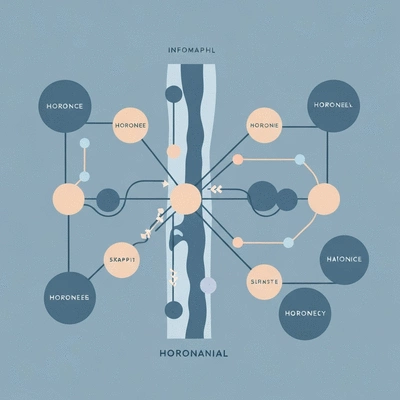
This visual summarizes the common risks associated with Finasteride, categorized by their nature, to help users make informed decisions.
Decreased libido, ED
Depression, anxiety
Body composition changes
High-grade prostate cancer
When considering hair loss solutions, it's crucial to understand the potential risks involved, especially with medications like finasteride. While it has gained popularity for its effectiveness in treating male pattern baldness, being informed about its associated risks can empower you to make better decisions for your hair health.
Many individuals might overlook the side effects while focusing solely on the promise of regrowth. However, as a dedicated researcher in men's hair care, I believe understanding these risks is essential for anyone embarking on their hair regrowth journey.
Like any medication, hair loss treatments come with their share of risks. Here are some common risks associated with finasteride:
These side effects can vary from person to person, but they are significant enough to warrant careful consideration. It’s important to weigh these risks against the potential benefits before starting any treatment. Some health organizations, like the FDA, have issued alerts regarding potential risks associated with compounded finasteride, emphasizing the need for caution and informed decisions.
One of the more concerning areas of research involves the psychiatric side effects of finasteride. Studies have indicated a potential link between this medication and increased rates of depression, anxiety, and even suicidal thoughts. It's crucial to understand that mental health is as important as physical health when considering hair loss treatments. The FDA continues to evaluate reports of suicidal thoughts or actions in patients taking certain types of finasteride, highlighting the seriousness of these potential side effects.
Many men may not realize that taking finasteride could affect their mood and overall mental well-being. If you're considering this medication, it's essential to consult with a healthcare professional to discuss these risks thoroughly.
Finasteride works by blocking the conversion of testosterone to dihydrotestosterone (DHT, a hormone linked to hair loss. However, this alteration can lead to hormonal imbalances that may affect your body in various ways. Men taking finasteride might experience changes in body composition, mood swings, and even fatigue. A Public Assessment Report on Finasteride by the MHRA further details these hormonal effects and other potential adverse reactions.
Understanding these hormonal implications is vital. It’s not just about hair regrowth; it’s about maintaining overall health. If you're experiencing any unsettling symptoms while using finasteride, I encourage you to discuss them with your doctor as soon as possible.
What has been your experience with finasteride or other hair loss treatments? Share your thoughts below:
As we’ve explored, hair loss medications, particularly finasteride, come with a range of potential risks that every user should consider. From psychological effects to hormonal imbalances, understanding these risks is crucial when making informed decisions about hair restoration. Here’s a quick recap of the key points:
It's essential to stay informed about these risks, especially since the consequences can significantly impact your overall health and well-being. If you’re considering finasteride or any hair loss treatment, I recommend doing your research and weighing the pros and cons carefully. Remember, being proactive about your health journey is always a good approach!
If you’re thinking about starting a hair loss treatment or are currently on one, there are several steps you can take to ensure you’re making the best choices for your health. Here are some actionable recommendations:
Taking these steps can empower you to make informed decisions regarding your hair regrowth journey. Remember, there’s no one-size-fits-all solution, and what works for one person may not work for another. Stay engaged in your health, and don’t hesitate to reach out if you have any questions or need more information!
Here is a quick recap of the important points discussed in the article:
Researcher and writer specializing in men’s hair care solutions.
Ethan Caldwell is dedicated to providing men facing hair loss with honest insights and practical advice, empowering them to make informed decisions about their hair regrowth journey. Join him on our blog for research-driven tips and strategies that clarify your options and enhance your confidence.
Dedicated researcher and writer specializing in men’s hair care solutions. Passionate about hair health and restoration. Committed to empowering informed decisions.
Ethan Caldwell is dedicated to transforming hair loss concerns into actionable hair regrowth strategies, empowering men facing early-stage thinning to embrace a confident hair restoration journey. Join him on our blog for comprehensive reviews and practical advice that clarify your options and enhance your hair health.