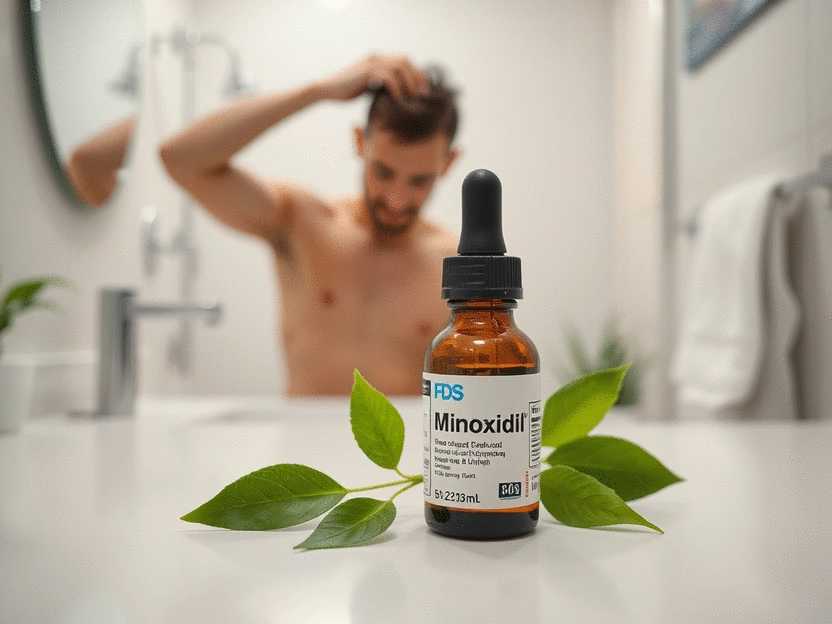
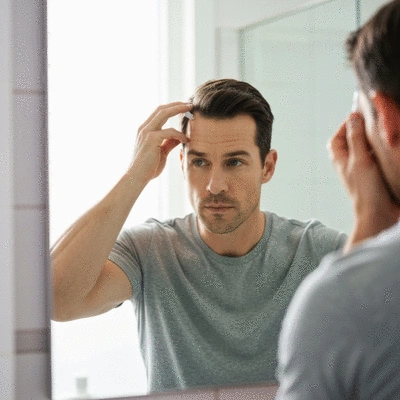
Before diving into a treatment for hair loss, have you ever pondered how a medication initially designed for blood pressure could transform your hairline? Minoxidil, a game-changer in the realm of hair restoration, is just the solution you might be looking for. Let’s explore what it can offer you.
What You Will Learn
Minoxidil is primarily used to treat androgenetic alopecia, the most common type of hair loss in men.
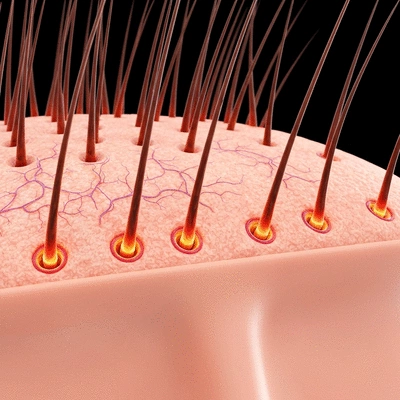
The medication works by increasing blood circulation to hair follicles, stimulating hair growth.
Consistency in application is crucial for maximizing the effectiveness of Minoxidil.
Potential side effects include scalp irritation and, in rare cases, systemic issues with oral formulations.
Consultation with a healthcare provider is essential to tailor the treatment to individual needs and monitor any adverse effects.
Minoxidil: Understanding Benefits, Risks, and Usage
Minoxidil is an effective treatment for hair loss, but understanding its forms, benefits, risks, and proper application is key to successful outcomes. This overview provides a clear comparison of its types and considerations for use.
Forms of Minoxidil
•Topical Solutions/Foams: Direct application to scalp; common and easy to integrate.
•Oral Tablets: Less common; for severe cases, consult doctor due to side effects.
•Combination Therapies: Used with other treatments for enhanced results.
Benefits vs. Risks
Benefits
✓Improved hair density
✓Slowed hair loss
Risks
✗Scalp irritation (topical)
✗Dizziness, heart issues (oral)
✗Unwanted hair growth
Consultation Checklist for Your Doctor
Current Medications
Potential Side Effects
Hair Loss History
Treatment Goals
Alternative Treatments
Understanding Minoxidil and Its Uses for Hair Loss
If you're starting to notice thinning hair or a receding hairline, you might be wondering about Minoxidil. This topical solution has gained popularity as an effective treatment for hair loss. But what exactly is it, and how does it work? In this section, we'll break it down and help you understand its uses and benefits.
Minoxidil is a medication that was originally developed to treat high blood pressure. Interestingly, it was discovered to have an unexpected side effect: hair growth! Today, it’s primarily used as a treatment for male pattern baldness, also known as androgenetic alopecia. By enhancing blood flow to hair follicles, Minoxidil helps revitalize hair growth and can slow down further hair loss. For a deeper dive into how this medication works, you can consult resources such as the National Institutes of Health (NIH).
What Is Minoxidil and How Does It Work?
So, how does Minoxidil actually promote hair growth? It's all about increasing blood circulation to the scalp. It works by widening the blood vessels, which improves nutrient delivery to hair follicles. This revitalization can stimulate hair follicles, encouraging them to enter the growth phase. Now you might be curious about its application!
Topical solutions: These are applied directly to the scalp.
Foams: A popular option that’s easy to apply and dries quickly.
Oral tablets: Though less common for hair loss, they are sometimes prescribed for severe cases.
It's important to note that while many users see positive results, consistency is key! You’ll want to apply Minoxidil as directed to maximize its effectiveness.
Forms of Minoxidil: Topical vs. Oral Options
When it comes to Minoxidil, the most popular form is the topical solution. This method allows for direct application to the scalp, targeting the affected areas effectively. But there are other forms available, such as oral options, which some healthcare providers might prescribe in certain situations. For more information on the efficacy of oral minoxidil, the Cleveland Clinic offers valuable insights.
Topical Minoxidil: Available as a liquid or foam, it’s easy to use and can be integrated into your daily grooming routine.
Oral Minoxidil: This form is generally used for more severe cases of hair loss, but it's essential to consult your doctor due to potential side effects.
Combination therapies: Sometimes, Minoxidil is used alongside other treatments to enhance results.
Choosing the right form depends on your specific needs and how your body reacts. If you're unsure, it’s always a good idea to seek advice from a healthcare professional.
Hair Loss Types Treated by Minoxidil: Focus on Androgenetic Alopecia
Minoxidil is particularly effective for treating androgenetic alopecia, which is the most common type of hair loss in men. This condition is often characterized by a gradual thinning of hair at the crown and the temples. Understanding this can be pivotal for anyone trying to tackle hair loss.
Androgenetic alopecia: Typically starts with a receding hairline and thinning on the crown.
Other types: While Minoxidil is primarily used for androgenetic alopecia, it can also help with certain types of alopecia areata.
Early intervention: Starting treatment early can lead to better results, so don't hesitate to explore your options!
In conclusion, Minoxidil is a significant player in the hair restoration game, especially for those facing early-stage thinning. Staying informed about how it works and what types of hair loss it addresses can empower you to make decisions that best suit your needs.
Did You Know?
A recent study found that approximately 60% of men experience some degree of hair loss by the age of 50. This statistic highlights the importance of exploring effective treatment options like Minoxidil early on.
Key Takeaways on Minoxidil Side Effects
As we delve deeper into the realm of Minoxidil, it's crucial to grasp both the risks and benefits associated with its use. While Minoxidil can be a powerful ally in the fight against hair loss, like all medications, it can also come with its share of side effects. Understanding these potential reactions empowers you to make informed choices about your hair restoration journey.
Here are some key points to consider:
Common Side Effects: Topical application can lead to localized irritation, itching, or dryness.
Serious Reactions: Oral Minoxidil may lead to systemic issues such as dizziness and heart-related concerns, which are critical to monitor.
Consultation is Key: Always keep an open line with your healthcare provider to address any concerns promptly.
By being aware of these factors, you can navigate your hair regrowth journey with confidence and caution. It’s about finding the right balance for your individual needs!
Understanding Risks and Benefits
When considering Minoxidil, understanding the balance between its potential benefits and side effects is vital. This product has earned a reputation for effectiveness in promoting hair regrowth for many men, particularly those facing androgenetic alopecia. However, the experience can vary based on individual responses.
Benefits: Many users report improved hair density and slowed hair loss.
Risks: Side effects can range from mild scalp irritation to more severe systemic reactions, especially with oral formulations. For comprehensive safety information, refer to alerts from the FDA regarding compounded drugs.
Long-Term Consideration: Research suggests that prolonged use may yield the best results, but it’s essential to weigh this against potential risks.
Ultimately, the decision to use Minoxidil should be based on a clear understanding of these risks and benefits, helping you feel empowered as you progress in your hair restoration journey.
Consulting Your Healthcare Provider: A Must
Before starting any hair loss treatment, including Minoxidil, it’s important to consult with your healthcare provider. This step not only ensures that you are choosing the right product for your specific situation but also helps in monitoring any side effects effectively.
When you meet with your healthcare provider, consider discussing:
Your overall health and any existing conditions that might affect treatment.
Any medications you are currently taking that could interact with Minoxidil.
Your hair loss history and specific goals for treatment.
Remember, a well-informed discussion with your healthcare provider can lead to a more successful treatment experience, paving the way for a healthier scalp and better hair growth outcomes!
Frequently Asked Questions About Minoxidil
Here are some common questions about Minoxidil to help you better understand this hair loss treatment.
Q: What is Minoxidil primarily used for?
A: Minoxidil is primarily used to treat androgenetic alopecia, which is the most common type of hair loss in men, characterized by thinning hair and a receding hairline.
Q: How does Minoxidil work to promote hair growth?
A: Minoxidil works by increasing blood circulation to the hair follicles in the scalp. This improved blood flow delivers more nutrients, stimulating the follicles and encouraging them to enter the growth phase.
Q: What forms of Minoxidil are available?
A: Minoxidil is available in topical solutions (liquid or foam) for direct scalp application, and in oral tablet form, which is typically prescribed for more severe cases due to potential side effects.
Q: What are the common side effects of Minoxidil?
A: Common side effects of topical Minoxidil include localized scalp irritation, itching, or dryness. Oral Minoxidil may lead to more serious systemic issues like dizziness and heart-related concerns.
Q: Is consistency important when using Minoxidil?
A: Yes, consistency in application is crucial for maximizing the effectiveness of Minoxidil and achieving the best possible results. Regular use as directed is highly recommended.
Next Steps for Users Considering Minoxidil
After understanding the side effects and benefits, it’s time to take actionable steps towards your hair restoration journey. Here’s how to proceed effectively!
Creating a Consultation Checklist for Your Doctor
To ensure you cover all bases during your consultation, it’s helpful to prepare a checklist of topics and questions. This will help you make the most of your time and gather essential information. Here’s a simple checklist you can use:
List any medications you are currently taking.
Prepare questions about potential side effects.
Discuss your hair loss history and desired outcomes.
Inquire about alternative treatments if necessary.
Having this checklist handy will help streamline your conversation and ensure that nothing important is overlooked!
Visualizing Your Minoxidil Journey: Infographic Resources
Visual aids can be incredibly beneficial in understanding how to use Minoxidil effectively. Infographics can provide clear step-by-step guides on application techniques, expected timelines, and what to keep an eye out for during treatment.
Look for infographics that cover:
How to apply Minoxidil correctly.
Common side effects and how to manage them.
Expected timelines for seeing results.
These resources can make your Minoxidil experience less daunting and more informed!
Reading User Reviews and Patient Experiences for Better Insights
Another excellent way to gather information is by reading user reviews and patient experiences. This can provide real-world insights into what you might expect during your treatment.
When exploring reviews, focus on:
Overall satisfaction with the product.
Commonly reported side effects from users.
Success stories that resonate with your own hair loss journey.
By leveraging the knowledge of others, you can feel more prepared and confident as you embark on your Minoxidil journey!
Recap of Key Points
Here is a quick recap of the important points discussed in the article:
Minoxidil Overview: Originally developed for high blood pressure, Minoxidil effectively promotes hair growth by increasing blood flow to hair follicles.
Application Forms: Available in topical solutions, foams, and oral tablets, with topical being the most common and effective method.
Types of Hair Loss: Primarily effective for androgenetic alopecia, but can also assist with certain types of alopecia areata.
Side Effects: Users may experience localized irritation or more serious reactions with oral forms, making consultation with a healthcare provider essential.
Consultation Importance: Discussing your health history and goals with a healthcare provider can help tailor the best treatment approach for you.
Next Steps: Use a consultation checklist and visual aids to enhance understanding and streamline your hair restoration journey.
Ethan Caldwell
Researcher and writer specializing in men’s hair care solutions.
Ethan Caldwell is dedicated to providing men facing hair loss with honest insights and practical advice, empowering them to make informed decisions about their hair regrowth journey. Join him on our blog for research-driven tips and strategies that clarify your options and enhance your confidence.
Dedicated researcher and writer specializing in men’s hair care solutions. Passionate about hair health and restoration. Committed to empowering informed decisions.
Ethan Caldwell is dedicated to transforming hair loss concerns into actionable hair regrowth strategies, empowering men facing early-stage thinning to embrace a confident hair restoration journey. Join him on our blog for comprehensive reviews and practical advice that clarify your options and enhance your hair health.