Choosing the right hair loss treatment can feel like navigating a maze, but understanding the core differences between options like Minoxidil and Finasteride can illuminate your path. Are you ready to take control of your hair regrowth journey?
What You Will Learn
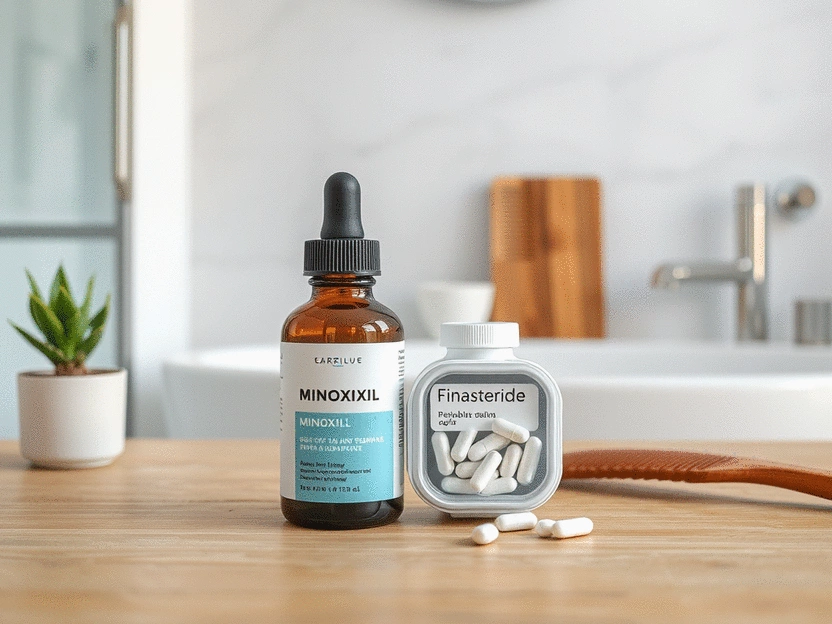
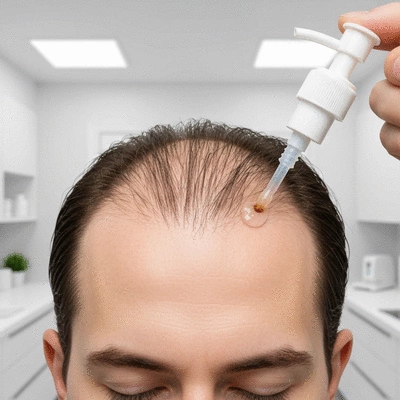
Minoxidil is a topical treatment that promotes hair growth by increasing blood flow to hair follicles.
Finasteride is an oral medication that reduces hair loss by inhibiting the hormone DHT, which is linked to male pattern baldness.
Consistency and patience are essential for achieving results with Minoxidil, typically visible within a few months.
Consulting a healthcare provider is crucial for determining the right treatment option and understanding potential side effects.
Minoxidil vs. Finasteride: A Comparison of Hair Loss Treatments
Understanding the differences between Minoxidil and Finasteride is crucial for making an informed decision on your hair regrowth journey. Below is a detailed comparison of these two popular treatments.
Consistency is Key: Requires daily, consistent application for results.
Visible Results: Often seen within a few months, but individual results vary.
Patience is vital for Minoxidil users!
Finasteride Overview
Preventative Action: Primarily slows down hair loss by inhibiting DHT.
Regrowth Potential: May encourage regrowth for some individuals.
Medical Consultation: Requires a doctor's prescription due to potential side effects.
Consult a healthcare provider before use.
Choosing the Right Treatment
Selecting the best option involves considering several factors:
Hair Loss StagePersonal PreferencesPotential Side EffectsProfessional Consultation
Understanding the Hair Loss Treatment Landscape: Minoxidil vs Finasteride
When it comes to tackling hair loss, men often find themselves faced with a multitude of options. Among the most popular treatments are Minoxidil and Finasteride. Both have their unique benefits, and understanding how they work can empower you on your hair regrowth journey. At Procerin Review Hub, we believe in providing clear and unbiased insights to help you make informed decisions.
For many, the question arises: “Which one is right for me?” That’s what we’re here to discuss, starting with a closer look at these two treatments.
What Are Minoxidil and Finasteride?
Let’s break it down! Minoxidil is a topical solution that’s often applied directly to the scalp. Originally developed as a medication for high blood pressure, its hair growth benefits were discovered serendipitously. The magic lies in its ability to increase blood flow to the hair follicles, which can promote growth and thickness over time. Research published in PMC NCBI NLM highlights Minoxidil's role in stimulating hair follicle activity and extending the anagen phase of hair growth.
Available in liquid or foam form
Typically used twice a day
Over-the-counter availability
On the other hand, Finasteride is an oral prescription medication that works differently. It primarily targets dihydrotestosterone (DHT), a hormone linked to male pattern baldness. By inhibiting the enzyme that converts testosterone into DHT, Finasteride helps reduce hair loss. Further information on Finasteride's mechanism of action and its efficacy in treating androgenetic alopecia can be found through studies indexed on PMC NCBI NLM, with ongoing research, such as that registered on ClinicalTrials.gov, continuously exploring its benefits.
Available in pill form
Generally taken once daily
Requires a doctor’s prescription
Overview of Minoxidil
Minoxidil's effectiveness largely stems from its ability to stimulate hair follicles and increase the duration of the hair growth cycle. Many users see initial results within a few months, but consistency is key. It's essential to integrate it into your daily routine in a way that feels manageable. Remember, patience is vital!
As someone who has researched various hair care solutions, I find that many men appreciate Minoxidil for its straightforward application and visible results. However, it’s important to understand that results can vary from person to person.
Overview of Finasteride
Finasteride's role in hair loss treatment is primarily preventative. Many studies have shown that it can significantly slow down hair loss and may even encourage regrowth for some individuals. As a prescription medication, it’s essential to consult with a healthcare provider to determine if it’s the right choice for you.
In my experience at Procerin Review Hub, I've seen that many men value Finasteride for its long-term effectiveness. However, it’s crucial to be aware of the potential side effects, which we’ll discuss later in this guide.
Frequently Asked Questions About Minoxidil and Finasteride
Q: What is the main difference between Minoxidil and Finasteride?
A: Minoxidil is a topical treatment that promotes hair growth by increasing blood flow to hair follicles. Finasteride is an oral medication that reduces hair loss by inhibiting the hormone DHT, which is linked to male pattern baldness.
Q: How long does it take to see results from Minoxidil or Finasteride?
A: For Minoxidil, results are typically visible within a few months with consistent use. Finasteride's effects on slowing hair loss can also be observed over several months, with potential regrowth appearing over a longer period.
Q: Can women use Minoxidil or Finasteride?
A: Minoxidil is approved for use by both men and women. However, Finasteride is generally not recommended for women, especially those who are pregnant or planning to become pregnant, due to potential risks.
Q: Are there any side effects associated with these treatments?
A: Yes, both treatments can have side effects. Minoxidil may cause scalp irritation, unwanted facial hair growth, or temporary shedding. Finasteride may lead to side effects such as decreased libido, erectile dysfunction, or, in rare cases, gynecomastia. It is crucial to consult a healthcare provider to discuss potential side effects.
Q: Do I need a prescription for Minoxidil or Finasteride?
A: Minoxidil is available over-the-counter. Finasteride is a prescription-only medication and requires a doctor's consultation.
Q: Can I use Minoxidil and Finasteride together?
A: Some healthcare professionals may recommend using both Minoxidil and Finasteride in combination for enhanced results, as they work through different mechanisms. However, this should only be done under the guidance of a doctor.
Pro Tip
Consistency is key when it comes to hair loss treatments. Whether you choose Minoxidil or Finasteride, stick to the recommended application schedule and give it time. Many users start seeing results after a few months, but remember that individual responses can vary. Track your progress to stay motivated and make adjustments as needed!
Summarizing Key Takeaways: Minoxidil vs Finasteride
As we wrap up our exploration of Minoxidil and Finasteride, it's essential to distill the key points that can guide you on your hair regrowth journey. Both treatments have unique mechanisms of action, benefits, and potential drawbacks that can impact your decision. Understanding these factors will help you choose the best option for your specific needs and lifestyle!
Final Thoughts on Choosing the Right Treatment for You
Selecting the right treatment can feel overwhelming, but it doesn't have to be! Here are a few critical considerations to help you narrow down your options:
Hair Loss Stage: Assess your current level of hair loss; different treatments may work better at various stages.
Personal Preferences: Some individuals may prefer topical solutions like Minoxidil, while others might lean towards oral medication like Finasteride.
Side Effects: Be aware of the potential side effects of each treatment and how they might affect your daily routine.
Consultation: Don’t hesitate to seek professional advice to identify what aligns best with your hair health goals.
Each man's experience with hair loss is unique, and that's why taking the time to evaluate these factors is essential. I know this can be a journey full of ups and downs, but having the right information makes a significant difference!
Helpful Resources and Next Steps for Hair Loss Solutions
If you're looking for additional information on hair loss treatments, consider the following resources:
Procerin Review Hub – For detailed insights about Procerin and other hair loss solutions.
Clinical studies and reviews from trusted medical journals – Great for understanding the science behind treatments.
Online forums and support groups – Connect with others who are navigating similar hair loss journeys.
Taking these steps can empower you with the knowledge needed to make informed choices. Hair restoration is not just about the products; it’s about understanding your options and personalizing your approach!
Call to Action: Consulting a Healthcare Professional for Personalized Advice
Remember, it's always wise to consult a healthcare professional before starting any new treatment. A doctor can provide tailored advice based on your health history and specific hair loss pattern. They can help you weigh the pros and cons of each option, ensuring that you choose a path that’s both effective and safe.
At Procerin Review Hub, I believe in the power of informed choices—your hair restoration journey starts with understanding what works best for you. Let’s take that next step together!
Recap of Key Points
Here is a quick recap of the important points discussed in the article:
Minoxidil: A topical solution that stimulates hair follicles and increases blood flow, typically used twice a day.
Finasteride: An oral prescription that inhibits DHT, taken once daily, and is generally more effective in preventing hair loss.
Consultation: Always seek professional advice to choose a treatment that aligns with your specific needs.
Side Effects: Be aware of the potential side effects associated with both treatments.
Patience is Key: Consistency in applying Minoxidil is crucial, and results can take time.
Ethan Caldwell
Researcher and writer specializing in men’s hair care solutions.
Ethan Caldwell is dedicated to providing men facing hair loss with honest insights and practical advice, empowering them to make informed decisions about their hair regrowth journey. Join him on our blog for research-driven tips and strategies that clarify your options and enhance your confidence.
Dedicated researcher and writer specializing in men’s hair care solutions. Passionate about hair health and restoration. Committed to empowering informed decisions.
Ethan Caldwell is dedicated to transforming hair loss concerns into actionable hair regrowth strategies, empowering men facing early-stage thinning to embrace a confident hair restoration journey. Join him on our blog for comprehensive reviews and practical advice that clarify your options and enhance your hair health.