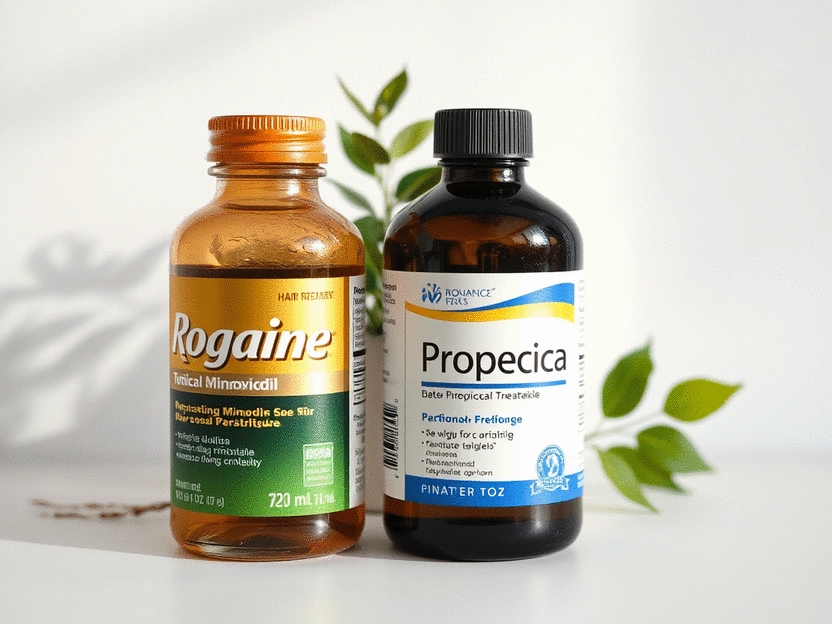
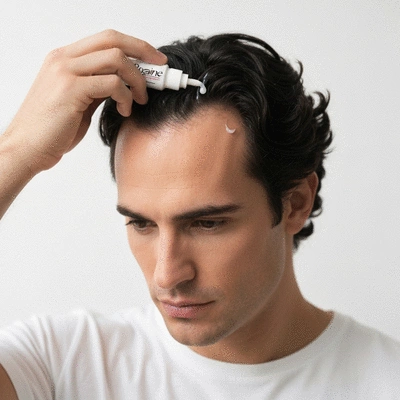
Choosing the right solution for hair loss can often feel overwhelming, but understanding your options is essential for making informed decisions. Here, we break down the most crucial insights on Rogaine and Propecia to help guide you on your hair restoration journey.
What You Will Learn
Rogaine (Minoxidil): A topical solution that stimulates hair growth by increasing blood flow to hair follicles.
Propecia (Finasteride): An oral medication that blocks DHT, a hormone linked to hair loss, helping to prevent and even reverse it.
Both treatments are FDA-approved for male pattern baldness, but they differ in application and mechanism of action.
Consider factors such as age, health conditions, potential side effects, and financial implications when choosing a treatment.
Rogaine vs. Propecia: A Comparative Overview of Hair Loss Treatments
Understanding the differences between Rogaine (Minoxidil) and Propecia (Finasteride) is crucial when considering hair loss treatments. Below is a comparison of their key aspects.
Rogaine (Minoxidil)
A topical solution applied directly to the scalp, stimulating hair growth by increasing blood flow to hair follicles.
•Mechanism: Acts as a vasodilator, improving blood flow.
•Application: Topical, often easier to incorporate daily.
•Availability: Over-the-counter.
•Efficacy: Quicker visual impact on hair growth.
FDA-approved for male pattern baldness.
Propecia (Finasteride)
An oral medication that works by blocking the production of DHT, a hormone linked to hair loss.
•Mechanism: DHT blocker, reducing hair loss at the hormonal level.
•Efficacy: More substantial long-term benefit in preserving hair.
FDA-approved for male pattern baldness.
Understanding Rogaine and Propecia: An Overview of Hair Loss Treatments
If you're diving into the world of hair loss treatments, you've probably come across Rogaine and Propecia. These two solutions are among the most well-known options on the market for men facing hair thinning or receding hairlines. But what exactly are they, and how do they differ? Let’s take a closer look!
Rogaine, known generically as minoxidil, is a topical solution applied directly to the scalp. It’s designed to stimulate hair growth by increasing blood flow to hair follicles. On the other hand, Propecia, or finasteride, is an oral medication that works by blocking the production of a hormone called DHT, which is linked to hair loss. Both treatments aim to address hair loss but do so through very different mechanisms.
What Are Rogaine and Propecia?
Rogaine and Propecia have carved out significant roles in the hair loss treatment landscape. Rogaine is often the go-to choice for many due to its ease of application and effectiveness in promoting hair regrowth. It’s available over-the-counter, making it accessible for those seeking immediate results. Conversely, Propecia requires a prescription, as it’s a medication that needs to be monitored for potential side effects.
Both treatments are FDA-approved for male pattern baldness.
As I’ve researched and written extensively about hair care solutions, I’ve seen firsthand how these products can change lives. It's vital for anyone considering them to understand both their benefits and limitations.
How Do Rogaine (Minoxidil) and Propecia (Finasteride) Work?
Now, let's break down the science behind these treatments! Rogaine works by widening the blood vessels in the scalp, which helps deliver more oxygen and nutrients to hair follicles. This stimulation can lead to increased hair density over time. On the flip side, Propecia inhibits the enzyme that converts testosterone into DHT, effectively reducing levels of this hormone in the body. Lower DHT levels can help prevent further hair loss and even encourage regrowth. Current research, such as studies available on PMC NCBI, provides valuable insights into the mechanisms of action for both minoxidil and finasteride.
Rogaine: Acts as a vasodilator, improving blood flow to the scalp.
Propecia: Functions as a DHT blocker, reducing hair loss.
Each of these treatments has its merits, and combining them could offer an optimized approach to tackling hair loss. For a deeper dive into their comparative effectiveness, recent findings published in Frontiers in Medicine highlight the nuances of using these treatments individually or in combination. With that said, it’s essential to consult with a healthcare provider to tailor a plan that suits your individual needs.
Comparative Analysis: Rogaine vs. Propecia
Deciding between Rogaine and Propecia can feel like a daunting task, especially with so much information out there! In this section, we'll delve deeper into their effectiveness, how they work, and practical guidance to help you make an informed decision.
Pro Tip
If you're considering Rogaine or Propecia, try keeping a hair growth journal! Document your daily application or dosage, changes you notice, and any side effects you experience. This can help you track your progress and provide valuable insights to discuss with your healthcare provider during follow-up consultations. Further insights on the efficacy and potential side effects of these treatments can be found in peer-reviewed articles, such as those published in Wiley Online Library.
Frequently Asked Questions (FAQs)
Q1: What is the main difference between Rogaine (Minoxidil) and Propecia (Finasteride)?
Rogaine is a topical solution that stimulates hair growth by increasing blood flow to hair follicles, acting as a vasodilator. Propecia is an oral medication that blocks the production of DHT, a hormone linked to hair loss, thus acting as a DHT blocker. They address hair loss through different mechanisms.
Q2: Are both Rogaine and Propecia FDA-approved?
Yes, both Rogaine (Minoxidil) and Propecia (Finasteride) are FDA-approved for the treatment of male pattern baldness.
Q3: Is Rogaine available over-the-counter, or does it require a prescription?
Rogaine (Minoxidil) is available over-the-counter, making it easily accessible.
Q4: Does Propecia require a prescription?
Yes, Propecia (Finasteride) is an oral medication that requires a prescription from a healthcare provider.
Q5: Which treatment offers quicker visible results?
Rogaine (Minoxidil) typically offers a quicker visual impact on hair growth due to its direct stimulation of blood flow to hair follicles.
Q6: Which treatment provides more substantial long-term benefits in preserving hair?
Clinical studies suggest that Propecia (Finasteride) may offer a more substantial long-term benefit in preserving hair by addressing the hormonal cause of hair loss.
Q7: Can Rogaine and Propecia be used together?
Many men have found success by using both Rogaine and Propecia together, which can offer a more comprehensive strategy for hair regrowth. However, it is crucial to discuss this with your healthcare provider first.
Q8: What are some factors to consider when choosing between Rogaine and Propecia?
Factors to consider include your age, existing health conditions, potential side effects of each treatment (e.g., sexual dysfunction with Finasteride, skin irritation with Minoxidil), and financial implications. Consulting a dermatologist is highly recommended for personalized guidance.
Conclusion: Choosing the Right Treatment for You
In concluding our exploration of Rogaine and Propecia, it's essential to recognize the key differences between these two popular hair loss treatments. Both options have unique mechanisms of action, efficacy rates, and application methods, which can dramatically impact your hair restoration journey. Let's summarize these distinctions!
Mechanism of Action: Rogaine (Minoxidil) acts as a vasodilator, increasing blood flow to hair follicles, while Propecia (Finasteride) is a DHT blocker that prevents hair loss at the hormonal level.
Efficacy: Clinical studies suggest that Finasteride may offer a more substantial long-term benefit in preserving hair, while Minoxidil may have a quicker visual impact on hair growth.
Application: Rogaine is applied topically, making it easier to incorporate into daily routines, whereas Propecia is an oral medication, requiring consistent adherence.
As you consider your options, keep in mind that the right choice often depends on individual needs and preferences. It's not just about effectiveness; factors like ease of use, potential side effects, and your personal lifestyle also play vital roles in decision-making.
Making an Informed Decision: Factors to Consider
When weighing your options between Rogaine and Propecia, several factors should guide your decision. Here are some key points to consider:
Age: Consider how your age may influence treatment effectiveness. Some treatments work better for younger individuals experiencing early hair thinning.
Health Conditions: If you have underlying health issues, such as heart problems or hormonal imbalances, consult with your healthcare provider before starting treatment.
Side Effects: Understand the potential side effects of each treatment. For instance, while Finasteride may lead to sexual dysfunction in some men, Minoxidil may cause skin irritation.
Financial Considerations: Evaluate the cost of each treatment and whether your insurance might cover any part of it.
By reflecting on these factors, you’ll be better prepared to make a choice that aligns with your hair regrowth goals. Remember, it's crucial to set realistic expectations as hair growth can take time!
Consulting a Dermatologist for Personalized Guidance
Before embarking on your hair restoration journey, I strongly recommend consulting a dermatologist or a healthcare provider. Their expertise can provide you with tailored advice based on your specific situation. A personalized approach can significantly enhance your chances of achieving the desired results.
During your consultation, be sure to ask about:
Your eligibility for Rogaine or Propecia based on your health and hair loss stage
Alternative treatments or combination therapies that may work better for you
Monitoring your progress and adjusting your treatment plan as needed
As the founder of Procerin Review Hub, I believe that informed decisions lead to better outcomes. Having the right resources and support will empower you to navigate your hair loss solutions with confidence!
Call to Action: Next Steps to Consider for Hair Loss Treatment
Consulting a Healthcare Provider for Personalized Guidance
The first step in managing your hair loss effectively is to book an appointment with a healthcare provider. This consultation can provide insights into the best treatment options for your individual needs. Don't hesitate to reach out and take control of your hair health!
Exploring Combination Treatments and Advanced Options
It might also be worthwhile to consider combination treatments. Many men have found success by using both Rogaine and Propecia together, maximizing their potential to combat hair loss. This approach can offer a more comprehensive strategy for hair regrowth, but always discuss this with your healthcare provider first.
As you explore your options, remember that at Procerin Review Hub, we’re here to provide you with honest insights and practical guidance, ensuring you have the knowledge you need for your hair restoration journey.
Recap of Key Points
Here is a quick recap of the important points discussed in the article:
Rogaine (Minoxidil): A topical solution that promotes hair growth by increasing blood flow to hair follicles.
Propecia (Finasteride): An oral medication that blocks DHT production, helping to prevent hair loss.
Both treatments are FDA-approved for male pattern baldness and can be considered based on individual needs.
Mechanism of Action: Rogaine acts as a vasodilator, while Propecia functions as a DHT blocker.
Efficacy: Finasteride may offer long-term benefits, while Minoxidil can provide quicker visual results.
Consult a Healthcare Provider: Personalized advice is crucial for selecting the right treatment based on health conditions and lifestyle.
Ethan Caldwell
Researcher and writer specializing in men’s hair care solutions.
Ethan Caldwell is dedicated to providing men facing hair loss with honest insights and practical advice, empowering them to make informed decisions about their hair regrowth journey. Join him on our blog for research-driven tips and strategies that clarify your options and enhance your confidence.
Dedicated researcher and writer specializing in men’s hair care solutions. Passionate about hair health and restoration. Committed to empowering informed decisions.
Ethan Caldwell is dedicated to transforming hair loss concerns into actionable hair regrowth strategies, empowering men facing early-stage thinning to embrace a confident hair restoration journey. Join him on our blog for comprehensive reviews and practical advice that clarify your options and enhance your hair health.